


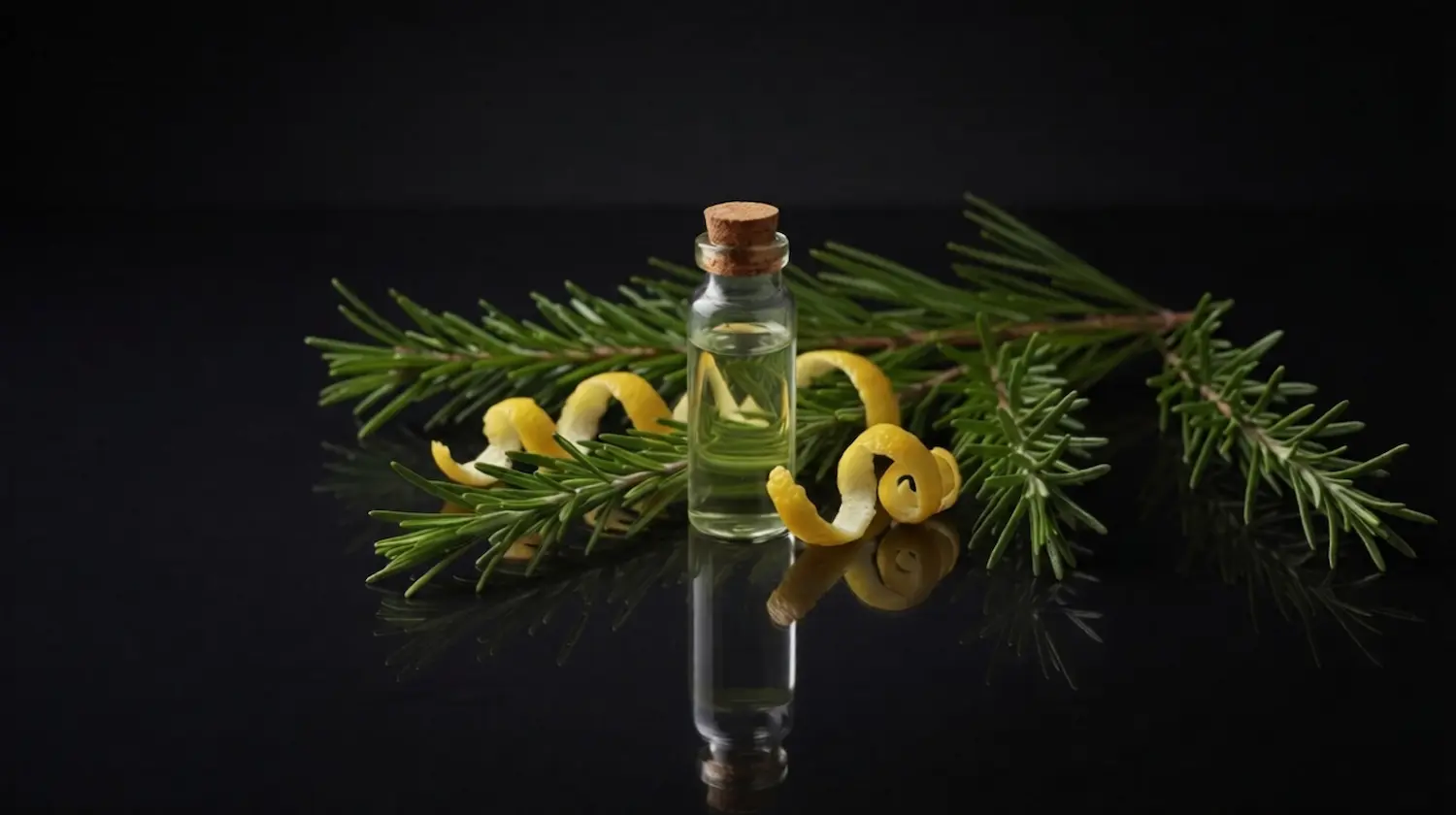
A clear pinene terpene profile is usually associated with freshness, clean green character, and a pine-led aromatic lift. In blends, pinene can help a profile feel brighter, sharper, and more structured, especially when the overall direction feels too soft, too sweet, or too heavy.
For most readers, the real value of understanding a pinene terpene profile is practical. It is not only about identifying the note, but about knowing how to use it well in a blend. What does it smell like, what does it pair with, and how can it add freshness without making a formulation feel too sharp?
That is where pinene becomes useful. In many terpene blends, it works best as a note that adds lift, clarity, and direction rather than as a profile that has to carry everything on its own.
A typical pinene terpene profile smells fresh, pine-led, green, woody, and slightly resinous. Depending on the blend, it can also lean more herbal, crisp, or slightly dry. This is what makes pinene so useful in formulations that need more lift, freshness, and aromatic definition.
In flavour and aroma terms, pinene often adds freshness, a green top note, and a more defined structure. It can make a profile feel brighter and more focused, especially when paired with the right supporting notes.
Used carefully, pinene can improve balance by stopping a blend from feeling too flat. Used too heavily, it can make the profile feel too dry, too sharp, or too narrow. That is why a good pinene terpene profile is usually built with control rather than excess.
Pinene tends to work best with notes that either support its freshness or soften its sharper side.
One of the most natural pairings is citrus. When pinene is paired with limonene-style brightness, the result often feels cleaner, lighter, and more energetic. Herbal directions also work well, especially when the goal is a greener and more aromatic profile.
Pinene can also pair well with spicier or deeper notes when the blend needs more body. In that context, pinene adds lift at the top while the heavier notes help create a more complete finish.
A pinene terpene profile usually performs well in three main directions.
This is one of the easiest ways to use pinene. The pine note adds structure, while citrus gives brightness and movement. The result often feels fresh and clean.
This direction creates a greener and more aromatic profile. It works well when the goal is a blend that feels natural, crisp, and layered rather than sweet.
This combination gives pinene more depth. It keeps the freshness but adds a warmer and more grounded finish, which helps prevent the blend from feeling too thin.
The most common mistake with a pinene terpene profile is using too much of it too quickly. More pinene does not always mean a better result. In many cases, it only makes the blend feel harsher or less balanced.
Pinene usually works best when it has a defined role inside the formulation. It can lead a fresh profile, but it often performs even better when it is supported by citrus, herbal, or lightly spicy notes that add balance around it.
That is why small adjustments matter. When refining fresh top notes, measuring terpenes carefully becomes important. And when percentages need to be translated into exact volumes, using a terpene calculator helps keep the process more consistent.
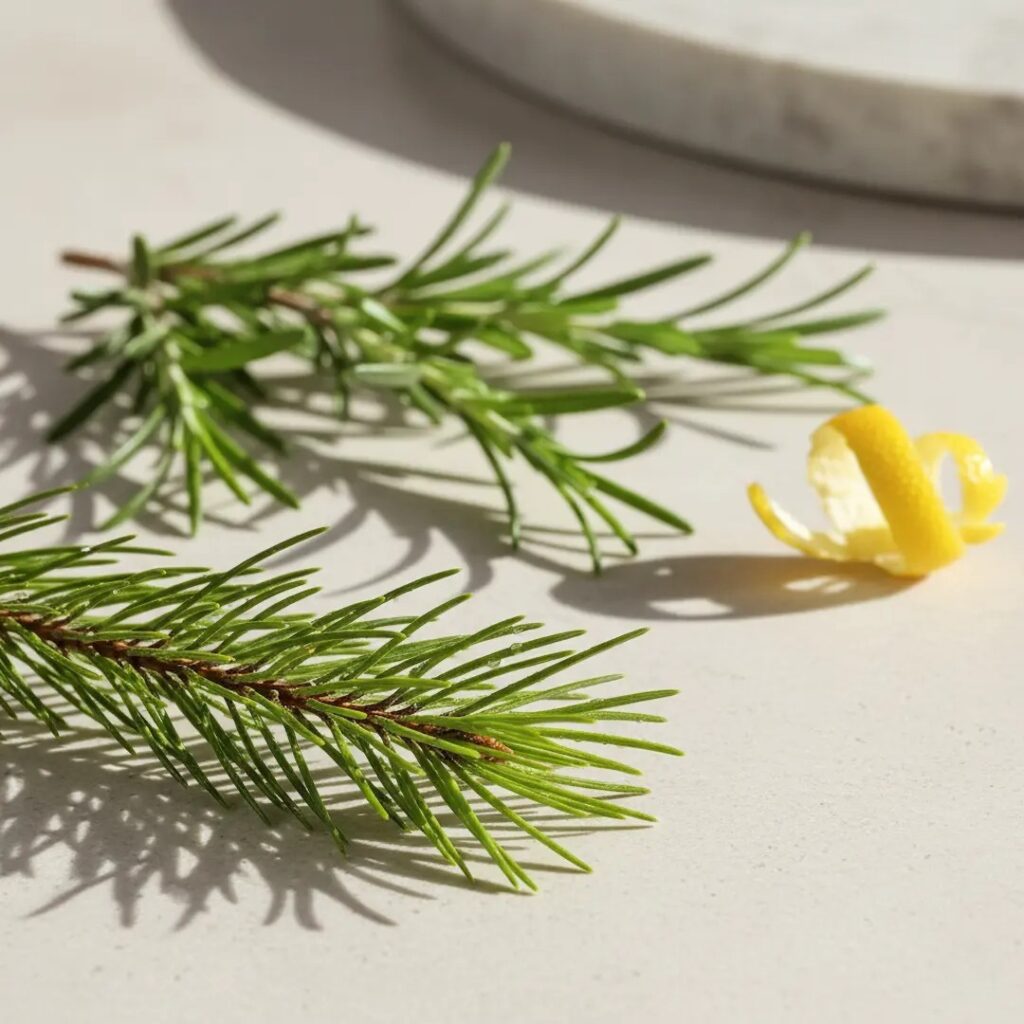
Pinene fills a very specific role in the aromatic spectrum. Where some terpenes add sweetness, softness, or spice, pinene adds freshness, green definition, and lift. For readers exploring a broader terpene range beyond pinene, it also helps to understand what are terpenes and how different aroma profiles can change the overall direction of a blend.
This makes pinene especially useful for blends that need more clarity. It can sharpen the opening, improve contrast, and help a profile feel more recognisable without making it feel unnecessarily heavy.
A strong pinene terpene profile is not just about adding a pine note. It is about using freshness with purpose.
When pinene is paired well, it can make a blend feel cleaner, brighter, and more defined. When it is used without enough balance, it can easily become too sharp or too dry. That is why the best pinene blends usually come from a measured approach: a clear aromatic direction, the right pairings, and small adjustments that keep the freshness under control.
A pinene terpene profile usually smells fresh, pine-led, green, woody and slightly resinous. Depending on the blend, it can also lean herbal, crisp or a little dry, which is why it is often used to add lift and aromatic definition.
In most formulations, a pinene terpene profile adds freshness, structure and a sharper top note. It can help a blend feel brighter and more recognisable, especially when the overall direction feels too soft, too sweet or too heavy.
A pinene terpene profile usually pairs well with citrus, herbal and lightly spicy notes. Citrus can make the profile feel cleaner and brighter, while herbal and spice notes can help soften the sharper side of pinene and create a more balanced finish.
Pinene usually works best in fresh, green and more structured blends, but it can also improve heavier formulations when used carefully. In those cases, it adds lift and contrast rather than taking over the whole profile.
The safest way to use a pinene terpene profile is to build it gradually and keep the note under control. Small adjustments usually work better than aggressive changes, especially when the goal is freshness without making the blend feel too dry or too narrow.
Try our sample pack now
No account yet?
Create an Account