
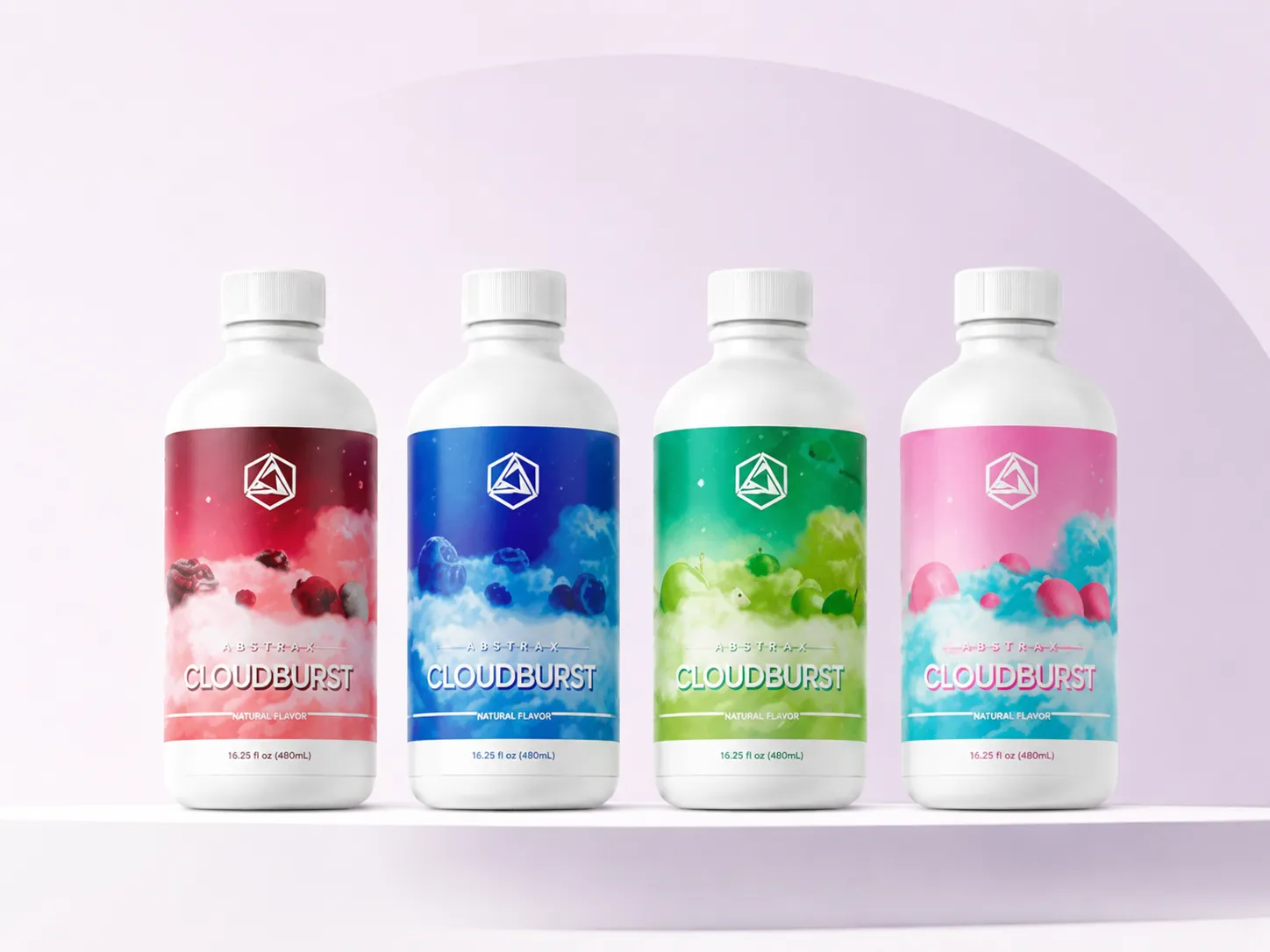
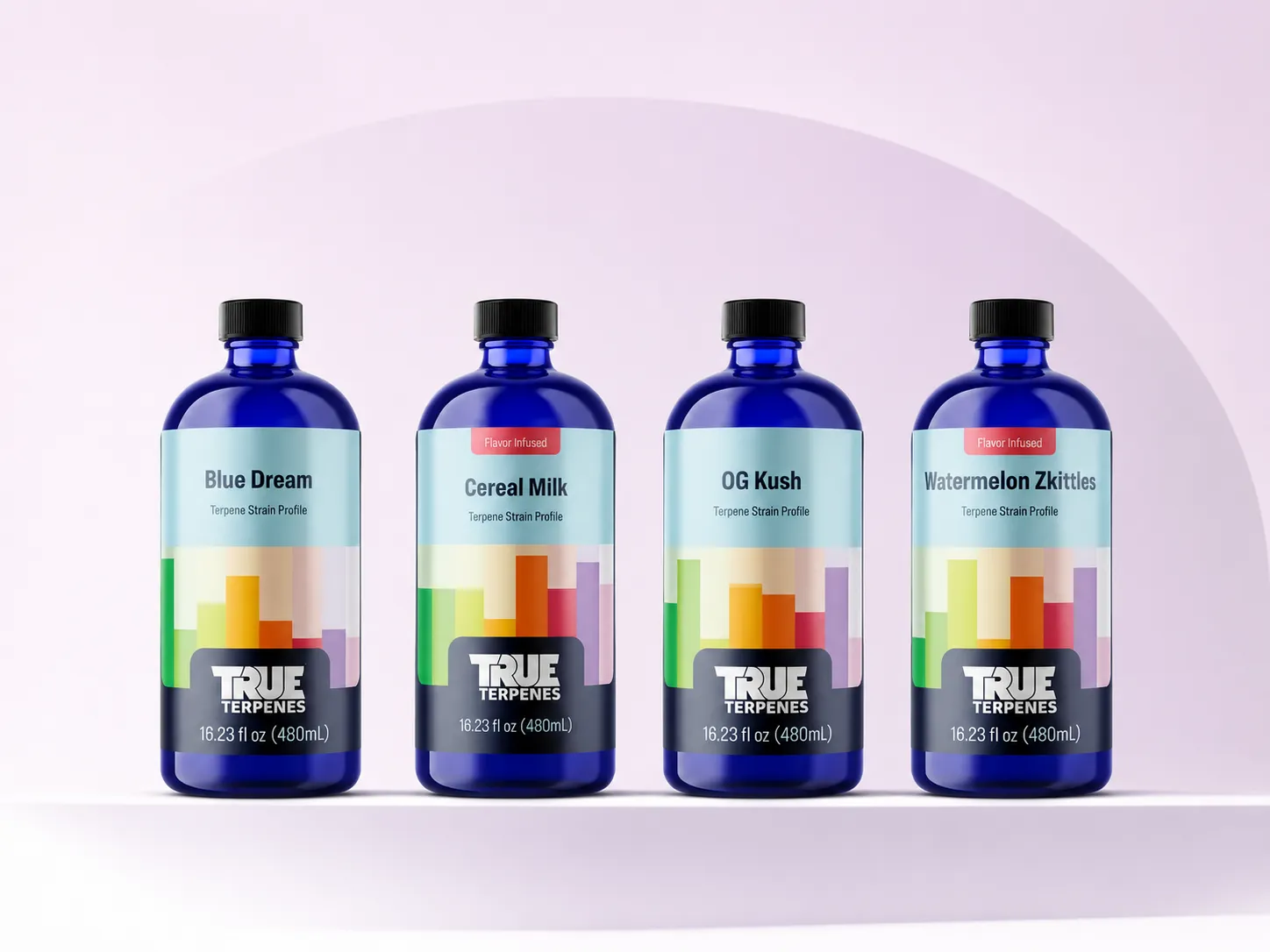
Canna terpenes the complete guide to cannabis derived terpenes


Canna terpenes are the aromatic compounds derived from cannabis that shape flavor, aroma, and subtly influence how cannabinoids feel. This guide explains what canna terpenes are, how they’re extracted, their reported effects, safety and dosing, and how to choose high-quality cannabis-derived terpenes for medical and recreational use.
What are cannabis-derived terpenes?
Canna terpenes are terpenes extracted directly from cannabis plants (sometimes labelled as CDTs — Cannabis-Derived Terpenes). They differ from botanically sourced terpenes—like limonene from oranges or linalool from lavender—because CDTs are taken from the cannabis plant itself and can replicate the precise aroma profile of a given cultivar.
Cannabis-derived terpenes can include the major players (myrcene, limonene, linalool, caryophyllene) and minor contributors (nerolidol, geraniol, ocimene) that together form strain-specific signatures. For users who want the most authentic cannabis scent and entourage-like modulation without cannabinoids, CDTs are the closest match.
How are canna terpenes extracted?
There are several methods to obtain cannabis-derived terpenes:
- Steam distillation: Traditional method; useful for heat-stable terpenes but may degrade fragile ones.
- Hydrocarbon extraction (e.g., butane): Efficient but requires thorough purging of solvents; high-grade producers run multiple purification steps.
- Supercritical CO₂ extraction: Gentle on molecules; preserves a broader terpene profile and is common among premium labs.
- Fractional distillation / chromatographic separation: Used to isolate specific terpenes or recreate a blend that mirrors a cultivar exactly.
Reputable producers of canna terpenes typically use CO₂ or fractional distillation to preserve the integrity of minor terpenes while ensuring solvent-free final products. Always request a Certificate of Analysis (COA) showing terpene composition and solvent testing.

Popular canna terpenes and their reported effects
Below are cannabis-derived terpenes commonly found in CDTs and what users or studies report they do:
- Myrcene: Sedative, relaxing; common in indica strains.
- Limonene: Uplifting, mood-enhancing; common in sativa and citrus strains.
- Linalool: Calming, anxiolytic; often associated with lavender-like relaxation.
- α-Pinene: Mental clarity, bronchodilator; often used for focus.
- β-Caryophyllene: CB2 agonist, anti-inflammatory; useful in pain blends.
- Humulene: Anti-inflammatory, appetite suppressant.
- Terpinolene: Uplifting/complex; found in some sativas and breakfast strains.
- Nerolidol & Geraniol: Sedative and skin-friendly; often used in topicals.
Take these as probable tendencies, not guaranteed outcomes—individual response varies and clinical evidence in humans is still emerging.
Why choose cannabis-derived terpenes over botanical terpenes?
Authenticity: CDTs accurately reproduce the olfactory tapestry of cannabis cultivars. If you want Blue Dream or Gelato aroma without THC, CDTs are the most faithful option.
Minor terpenes & isomers: Botanically derived terpenes can match main compounds, but minor terpenes and subtle isomer ratios differ. CDTs contain the exact minor players that give a cultivar its unique character.
Formulation fidelity: For product developers making strain-centric CBD oils, edibles, or vape liquids, CDTs allow replication of consumer-familiar aromas and perceived effects.
Regulation & legality: In many jurisdictions, CDTs are legal if they contain no controlled cannabinoids. Verify local law and import rules before buying.
Cannabis aromas from Mr Terpeenes
Authentic cannabis character depends on the blend and its paperwork. Browse profiles and request supplier documentation before importing or reselling.
Practical uses of canna terpenes
- Product formulation: Restore aroma to hemp-derived CBD distillates or create strain-specific products.
- Aromatherapy & diffusion: Use in diffusers to create strain-like atmosphere safely.
- Topicals: Incorporate into creams for potential anti-inflammatory synergy (diluted in carrier oils).
- Edibles & beverages: Use trace amounts for flavouring (ensure food-grade terpenes and legal compliance).
- Research & development: Labs and formulators use CDTs to prototype products and blind-test aroma effects.
Dosing, dilution, and application tips
- Vapes and inhalation: Only use terpenes formulated for inhalation and follow device manufacturer guidance. Typical concentrations in vape liquids often range from 0.5% to 5% depending on formulation.
- Tinctures/topicals: Aim for 0.5–2% terpene concentration in finished products. Use MCT oil or other approved carriers.
- Diffusers: Very small amounts are sufficient—terpenes are highly aromatic.
- Safety first: Avoid undiluted topical application and avoid ingestion of industrial-grade terpenes not intended for food use.
How to choose a reliable canna terpene supplier
- Verify COAs and batch-specific testing.
- Confirm extraction method (CO₂ is preferred).
- Check for food-grade status if you plan to ingest.
- Ask for traceability — cultivar source, harvest date, and lab details.
- Read user reviews and request samples before purchasing in bulk.
Real-world anecdotes & developer tips
- Small UK formulators often order 1–5 ml samples of CDTs to match aroma profiles; mixing 1% of a CDT into a neutral CBD oil creates remarkably authentic strain aromas.
- Patients report that switching from a botanical limonene to a cannabis-derived limonene variant can subtly alter perceived effects—likely due to minor terpene differences.
- Producers aiming for consistent shelf life pair CDTs with antioxidants like vitamin E (tocopherol) to slow oxidative loss.
Legal and regulatory notes

Regulation varies by country. In the UK and EU, terpenes without cannabinoids are generally allowed, but importing cannabis-derived materials may require compliance checks. Always consult local regulations and request supplier documentation.
Canna terpenes are the most authentic way to reproduce cannabis aromas and potentially modulate cannabinoid experiences without psychoactivity. For formulators and curious consumers alike, they offer unmatched fidelity—provided you prioritise COAs, reputable extraction methods, and safe dilution.
Do you need a customized comparison of suppliers or an initial formula (for example, 50 ml of CBD oil with a cannabis terpene profile)? Our store has everything you need, or you can contact us and we will find the right one for you.