
Limonene Terpene Profile: Aroma, Flavour Pairings and How to Use It in Blends

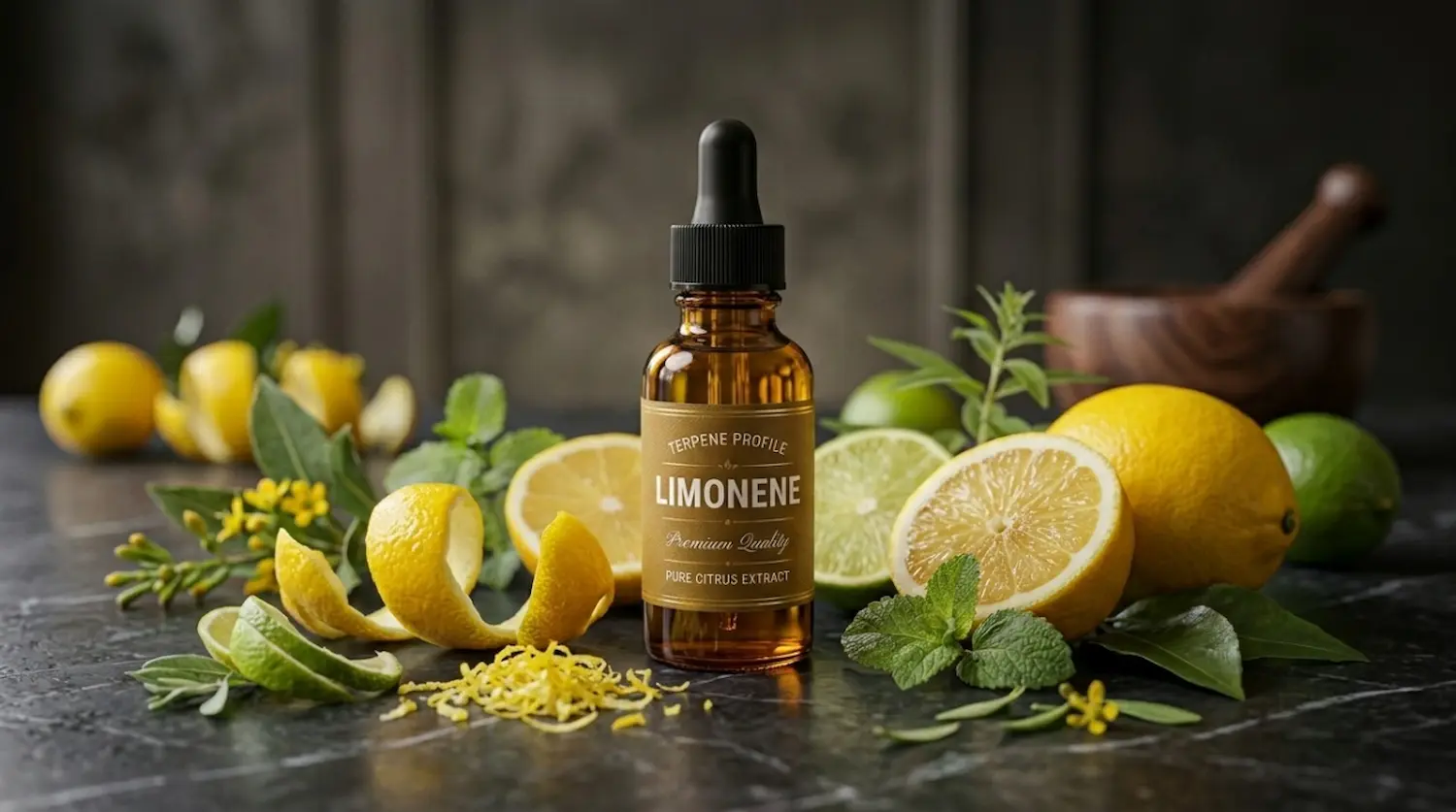
A strong limonene terpene profile is one of the easiest ways to bring freshness, brightness, and a more vibrant aromatic lift into a blend. Known for its citrus-led character and clean top-note energy, limonene is widely used in terpene formulations where the goal is to create a profile that feels crisp, expressive, and easy to recognise.
For formulators and brands, limonene is not just popular because it smells appealing. It is valuable because it can help shape the first impression of a blend, improve aromatic definition, and add a more polished top layer when used with balance. In the right formula, a limonene terpene profile can make a product feel more open, more refreshing, and more commercially attractive.
That said, limonene works best when it is used with purpose. Too little and the profile may feel flat. Too much and the blend can become sharp or one-dimensional. Understanding what limonene brings, what it pairs well with, and how to control it in formulation is what makes the difference.
If you are developing citrus-forward or fresher aromatic blends, exploring high-quality terpene options from our terpenes category is a strong place to start.
What a limonene terpene profile smells like
A typical limonene terpene profile smells bright, citrusy, clean, and uplifting. It is usually associated with lemon peel, sweet citrus zest, and fresh top-note intensity. Depending on the full blend, it can lean toward a juicy citrus direction or a drier, sharper aromatic style.
What makes limonene so useful in formulation is that it helps create immediate clarity. It is often the note that gives a blend its first burst of freshness. In many aromatic profiles, limonene helps the opening feel more vibrant and more refined.
This is especially useful in blends that need better contrast or a more energetic introduction. A well-built limonene terpene profile can make the full aroma feel cleaner without overpowering the rest of the structure.
What limonene adds to a terpene blend
Limonene is usually used to bring lift, definition, and freshness into a formula. It can help open up sweeter blends, sharpen fruit-forward directions, and give more identity to formulas that otherwise feel too soft or too heavy.
In practical terms, a limonene terpene profile can support:
- brighter top notes
- fresher aromatic direction
- stronger citrus identity
- better contrast in sweet blends
- more recognisable opening aroma
That is why limonene is often relevant in formulations where clarity matters. In some cases, it helps make a profile feel cleaner. In others, it adds a more energetic edge that improves the overall balance.
For brands building fresher formulations, it can also work well alongside more structured botanical terpene options when the goal is a professional, commercially flexible flavour direction.

See citrus profiles at Mr Terpeenes
Limonene rarely arrives alone in a finished blend. Browse the citrus-leaning profiles stocked in the UK and see what pairs well before you commit.
What pairs well with limonene
One of the strengths of a limonene terpene profile is that it works across several blend directions. It is versatile, but it performs best when it has the right support around it.
Limonene and pinene
This is one of the cleanest fresh combinations. Limonene brings citrus brightness, while pinene adds a greener and more resinous edge. Together, they can create blends that feel crisp, airy, and well defined.
Limonene and myrcene
When paired with myrcene, limonene can become softer and more rounded. This works well in fruit-led blends that need sweetness but still benefit from a brighter opening.
Limonene and caryophyllene
This pairing can add contrast and depth. Limonene keeps the blend lively, while caryophyllene introduces a warmer, more grounded character. This kind of structure often works well when the goal is balance rather than pure citrus intensity.
Limonene and terpinolene
This combination can create a more expressive and aromatic result. It suits blends that aim for a fresher, more layered character with a slightly more distinctive top-note presence.
Blend directions that work well with limonene
A limonene terpene profile is not limited to one style. It can support several blend directions depending on how it is used and what it is paired with.
Fresh citrus blends
This is the most obvious use case. Limonene naturally fits formulations built around freshness, brightness, and a recognisable citrus-led opening.
Fruit-forward profiles
Limonene can sharpen sweeter fruit blends and stop them from feeling too soft or too syrupy. It adds a cleaner edge that improves overall definition.
Clean botanical blends
In more botanical formulations, limonene can add brightness without disrupting the natural direction of the profile. This makes it useful when the objective is a more elegant or balanced aromatic result.
Distillate-focused formulations
Limonene also has value in blends built for distillate applications, particularly when a formula needs a fresher top note or more contrast. If you are working on that type of application, our guide to the best terpenes for distillate is a useful next read.
Buy limonene in bulk from Mr Terpeenes
Citrus terpenes disappear into production faster than most. Discuss bulk quantities, pricing and lead times so your blend never waits on a delivery.
How to use limonene without making a blend too sharp
The biggest mistake with limonene is overusing it. Because its aromatic character is naturally bright, it can easily dominate the opening if the rest of the blend is not structured well enough to support it.
A strong limonene terpene profile should feel fresh, not aggressive. The goal is to create lift and definition, not sharpness for the sake of impact.
A few principles help keep limonene under control:
- use it to support the opening, not replace the whole structure
- pair it with softer or grounding notes when needed
- test carefully at small percentages
- review how it behaves after full integration, not only on first aroma
This is also where process matters. If you are building new blends or adjusting aromatic balance, understanding mixing terpenes properly will help you get more consistent results and avoid overcorrecting too early.
Why ratio control matters with limonene
Limonene is a good example of why percentage control matters in terpene work. Even when a profile direction is correct, the wrong ratio can make the final blend feel thin, too sharp, or unbalanced.
When you are testing a limonene terpene profile, it helps to standardise batch size and keep your measurements consistent. A profile that works well in one test may not feel the same if the formulation process changes from one batch to the next.
For more accurate formulation work, using a terp to distillate ratio calculator can help you work out better starting points and reduce unnecessary guesswork during testing.
If you are comparing multiple batch sizes, a terpene mixing chart is also useful for keeping your workflow practical and repeatable.
Should limonene be diluted carefully?
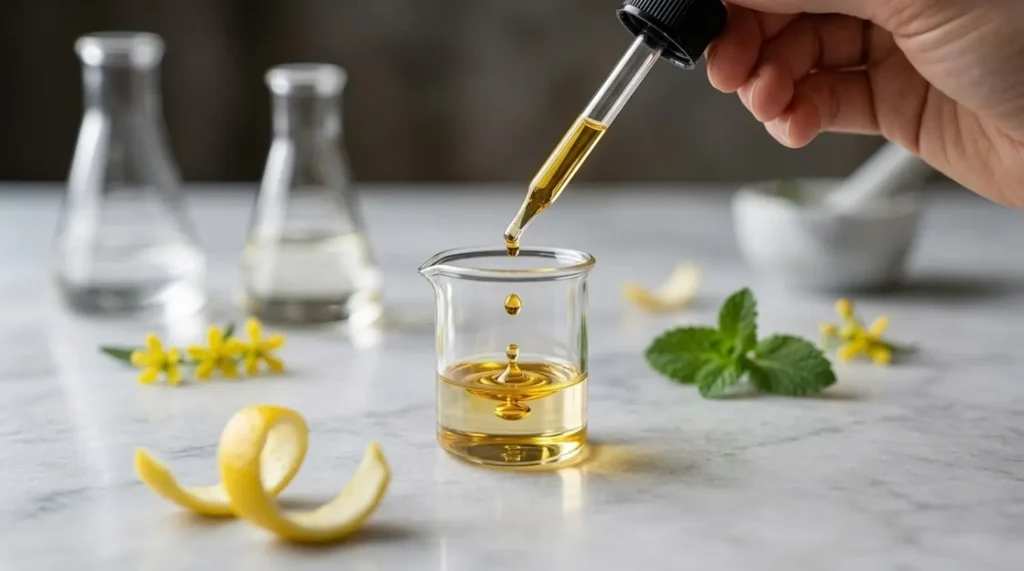
Yes. Like many aromatic components, limonene needs to be integrated with care if you want the final flavour to remain smooth and controlled. A profile can smell excellent in concept but still underperform if dilution and blending are handled poorly.
That is why understanding how to dilute terpenes is important when building blends that need freshness without harshness. Proper dilution technique helps preserve aroma clarity and improves the chances of getting a more balanced final result.
For formulators, this is often where the difference lies between a blend that smells promising and one that actually performs well in production.
Why limonene remains important in modern terpene formulation
Limonene continues to be relevant because it solves a very common formulation need: making a blend feel brighter, cleaner, and more immediately appealing. In a market where sensory differentiation matters, that kind of lift has real value.
A well-built limonene terpene profile can help products feel more polished and more commercially ready. It supports freshness, improves top-note clarity, and makes aromatic direction easier to recognise from the first impression.
That does not mean every blend needs a dominant citrus identity. It means limonene is one of the most useful tools available when a formulation needs energy, definition, or a cleaner opening.
Choosing the right limonene terpene profile for your blends
Not every limonene terpene profile will behave the same way. Quality, balance, and how the profile is built around limonene all matter. Some options lean too sharp. Others are too flat. The right one should feel fresh, structured, and easy to work with in real formulation conditions.
For B2B buyers and formulators, choosing the right profile is about more than aroma alone. It is about repeatability, blending performance, and how well the profile supports the final product.
If you are looking for terpene profiles that help you create fresher, more refined blends with better formulation consistency, explore the Mr Terpeenes range today. We supply terpene solutions for brands and formulators who want cleaner profile development, more dependable blending, and better commercial results.
Browse our terpene range and find the right profile for your next blend.