


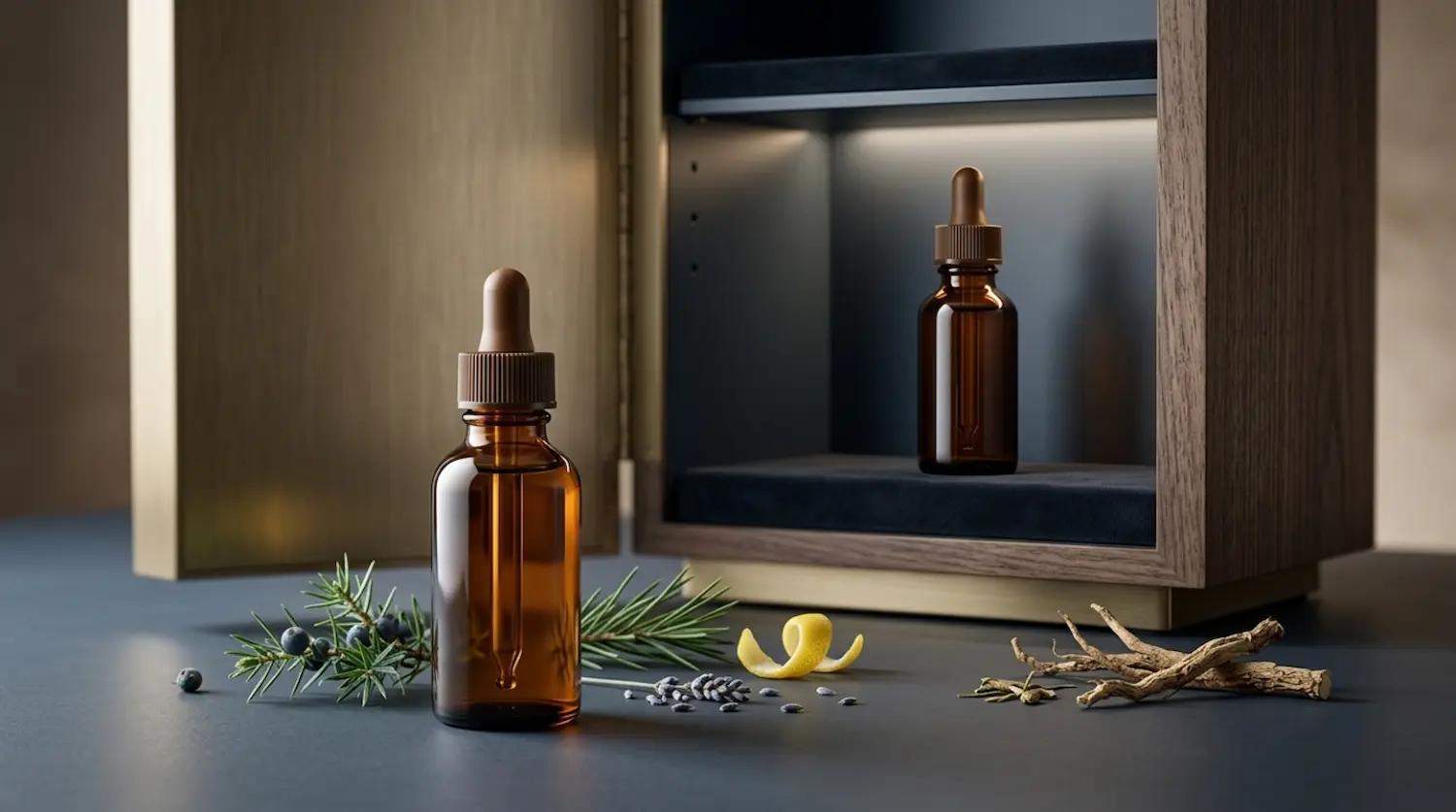
Understanding terpene shelf life is essential for preserving aroma quality, flavour consistency, and overall product performance. Terpenes are volatile aromatic compounds, which means their freshness can decline over time when they are exposed to heat, light, oxygen, or poor storage habits.
That is why how to store terpenes is not a minor detail. Proper storage plays a direct role in maintaining the original character of a terpene profile and protecting its quality for longer. Whether the focus is on individual compounds, botanical terpenes, or finished terpene blends, the same principle applies: better storage supports better retention.
For brands, formulators, and regular buyers, terpene shelf life is not simply about how long a bottle remains on a shelf. It is about how well the product preserves its intended aroma, freshness, and consistency from the moment it is opened to the final use.
Terpene shelf life refers to the period during which terpenes maintain their intended freshness, aromatic strength, and overall profile. It is not a fixed timeframe that applies equally to every product, because shelf life depends on several variables, including formulation, packaging, storage temperature, light exposure, air exposure, and handling frequency.
In practical terms, a bottle stored in a cool, stable, sealed environment will usually retain its profile better than one exposed to warmth, repeated opening, or direct light. This is why the discussion around terpene shelf life is not only about whether terpenes eventually degrade, but also about how quickly that change happens under different conditions.
In many cases, terpene quality does not disappear all at once. Instead, the profile may gradually lose brightness, sharpness, and aromatic definition. For that reason, shelf life is best understood as a matter of retention and stability rather than a single expiration point.
Not all terpene products age in the same way. Two bottles may begin with the same profile but show different results over time because storage conditions strongly influence freshness.
The main factors that affect terpene shelf life are packaging quality, bottle size, headspace inside the container, storage environment, and how often the product is opened. A tightly sealed bottle with limited exposure to air will usually remain fresher for longer than one that is handled frequently or stored in inconsistent conditions.
This is one of the most important points behind the search intent for how to store terpenes. The goal is not only to place the bottle somewhere convenient. The goal is to preserve aroma, flavour, and overall quality for as long as possible.
Several common storage mistakes can reduce terpene shelf life more quickly than expected.
Heat is one of the main causes of faster terpene degradation. Higher temperatures can encourage the loss of volatile aromatic compounds and cause the original profile to soften or fade over time. Warm shelves, storage near equipment, and fluctuating room temperatures can all reduce freshness.
Light exposure can also shorten terpene shelf life, especially when bottles are left in direct sunlight or constantly bright environments. Over time, exposure to light can affect the stability of the profile and reduce aromatic clarity.
Oxygen plays a major role in long-term terpene freshness. Every time air enters the bottle, oxidation becomes more likely. This can gradually flatten top notes, reduce definition, and alter the intended character of the blend.
Frequent opening increases the combined effect of oxygen exposure and volatilisation. Each opening allows aromatic compounds to escape while introducing more fresh air into the container. On its own, one opening may seem insignificant, but repeated exposure over time can have a noticeable effect on quality.
For anyone searching how to store terpenes, the best approach is simple: keep them sealed, cool, stable, and protected from light.
Airtight storage is essential. Bottles should remain tightly closed whenever they are not being used. Minimising air exposure helps protect the aromatic profile and slows down the processes that reduce freshness.
Storage location also matters. A cool, dark cupboard is generally a better option than a bright shelf, a warm room, or an area exposed to direct sunlight. Stable temperatures are preferable to constant fluctuations, and environments with lower heat exposure tend to support better long-term retention.
When working with larger quantities, it is often practical to keep reserve stock sealed and separate from the working bottle. This reduces repeated exposure of the full volume and helps preserve the remaining product more effectively.
In most cases, glass is the preferred material for terpene storage, especially when freshness and long-term retention are the priority. Dark glass packaging helps reduce exposure to light and supports a more stable storage environment than clear containers.
A well-sealed glass bottle also helps limit unnecessary contact with air, which is one of the key factors affecting terpene shelf life. For that reason, packaging should be seen as part of product protection, not just presentation.
When freshness, aroma retention, and profile consistency matter, storage material becomes part of the overall quality process.
For longer-term storage, refrigeration can be a practical way to support terpene shelf life. Cooler temperatures generally help slow the processes that contribute to aroma loss and profile degradation, which is why refrigeration is often considered for bottles that are not being used regularly.
The goal is not extreme cold, but a controlled and consistent environment. When bottles are stored in colder conditions, careful handling remains important. Allowing the bottle to stabilise before opening can help reduce avoidable stress during handling.
For regular daily use, a cool and dark storage space may be sufficient. For extended retention, refrigeration often provides added protection.
In many cases, the first sign is not visual. It is aromatic.
A terpene product that is losing freshness may smell flatter, weaker, less vibrant, or slightly different from its original profile. Some blends may lose brightness and clarity, while others may become duller or less defined over time.
This is why terpene shelf life matters so much in practice. Freshness is not only about whether a product can still be used. It is about whether it still delivers the intended aromatic experience.
For businesses and repeat buyers, this becomes even more important. Consistency depends not only on the original formulation, but also on how well freshness is preserved after opening.
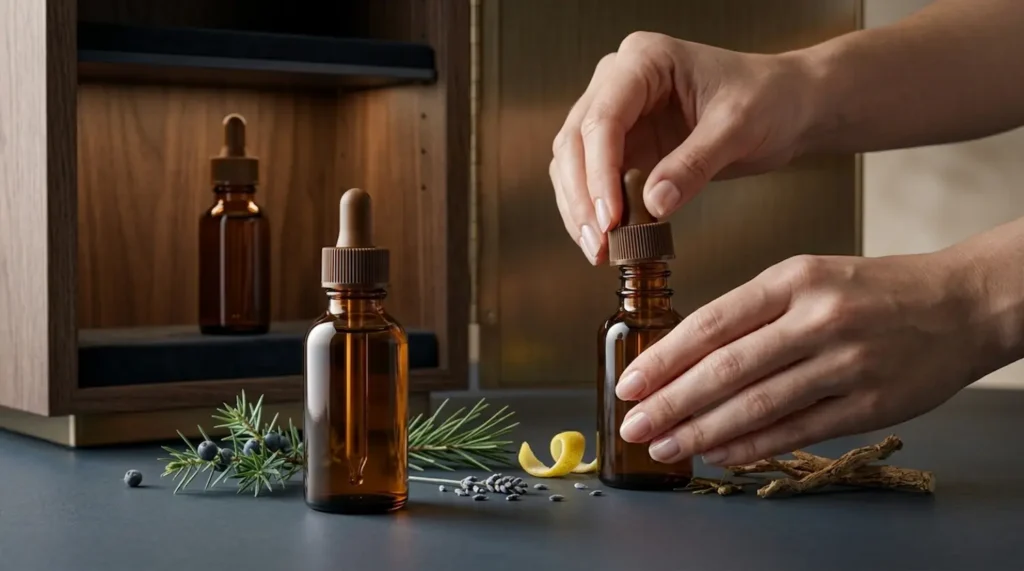
The best way to protect terpene shelf life is to follow a consistent storage routine from the beginning.
Containers should be closed immediately after use. Bottles should not be left open during measuring, blending, or general handling. Storage areas should remain cool, dark, and as stable as possible. Larger stock should stay sealed until needed, and active bottles should be handled carefully to reduce unnecessary exposure.
For businesses, internal storage procedures can help support consistency across batches. For individual buyers, simple habits can make a meaningful difference in preserving quality over time.
These best practices matter across the wider terpene category, whether the focus is on terpene blends, educational content around what are terpenes, or formulation comparisons such as natural vs synthetic terpenes. In every case, storage quality affects final performance.
Choosing the right terpene profile is only part of the process. Storage determines how well that choice is preserved over time.
A profile may be selected for aroma, flavour direction, or formulation goals, but poor storage can reduce the value of that decision. Freshness, aromatic clarity, and consistency all depend on how well the product is protected after purchase.
That is why terpene shelf life should be treated as part of product quality, not just product longevity. Buyers often focus heavily on sourcing and selection, but long-term satisfaction also depends on how the product is stored once it arrives.
For a brand such as Mr. Terpeenes, this is part of what quality means in practice. High-quality terpenes depend not only on the original profile, but also on the ability to preserve freshness throughout storage and use.
Understanding terpene shelf life is not only about knowing that terpenes can lose freshness over time. It is about recognising that storage conditions play a direct role in preserving aroma, clarity, and consistency.
A well-selected profile can only perform as intended when it is stored correctly. Exposure to heat, light, oxygen, and repeated opening can gradually reduce the quality of the product, even when the original blend is well made. That is why proper storage should be treated as part of quality control, not as an afterthought.
For brands, formulators, and repeat buyers, the takeaway is simple: protecting freshness is part of protecting the product itself. Keeping bottles sealed, cool, and away from light is one of the most effective ways to support terpene shelf life and maintain a more consistent aromatic profile over time.
Terpene shelf life depends on the formula, packaging, storage temperature, and how often the bottle is opened. Terpenes generally stay fresher for longer when they are stored in a cool, dark place and kept tightly sealed between uses.
The best way to store terpenes is in a tightly sealed container, away from direct light, heat, and unnecessary air exposure. For longer-term retention, cooler storage conditions can help preserve freshness more effectively.
Refrigeration can be a good option for longer-term storage, especially for bottles that are not used regularly. A cool, stable environment generally helps support terpene shelf life better than warm or inconsistent room-temperature storage.
Yes. Frequent opening exposes terpenes to fresh oxygen and allows volatile aromatic compounds to escape. Over time, this can reduce freshness and affect the original profile.
Glass is generally the preferred option, especially dark or light-protective glass. A well-sealed container helps reduce exposure to oxygen and light, both of which can affect terpene shelf life.
Try our sample pack now
No account yet?
Create an Account