


Vape Cartridge Capping Machine Problems: Leaks & Loose Caps

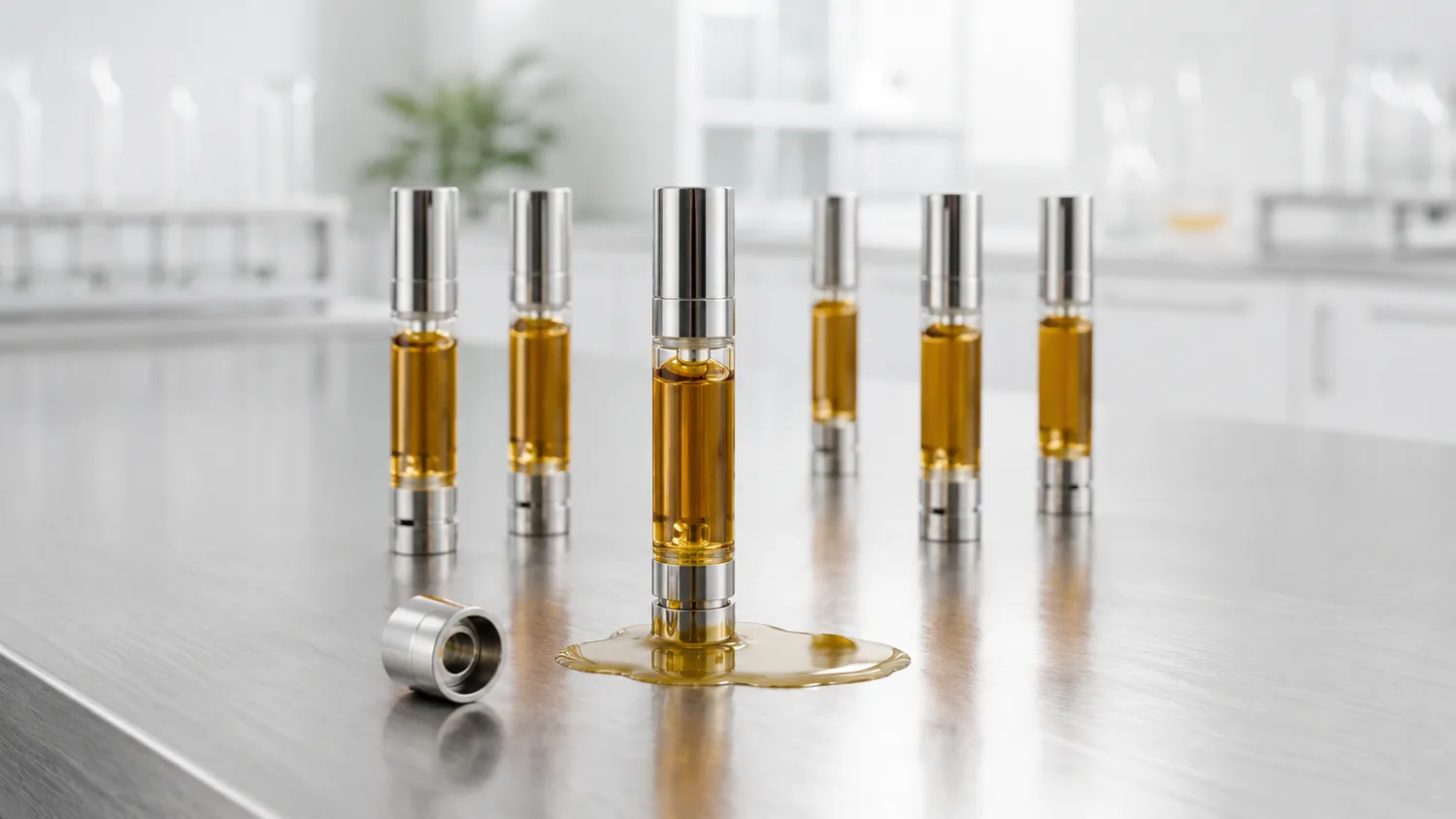
A vape cartridge capping machine that drifts out of tolerance produces leaking carts, loose caps and avoidable scrap on every shift. Most failures trace back to three causes: worn capping jaws, the wrong cap-to-thread profile, or oil that was filled too hot. Calibrate the capping head, adjust the upstream fill, and the waste line drops inside a single production run.
Why a Vape Cartridge Capping Machine Fails (and Why It Costs You)
A modern vape cartridge capping machine is asked to seal a 0.5 ml or 1 ml cartridge at a rate of 30 to 60 units a minute, with tolerances measured in fractions of a Newton-metre. When any single variable slips — torque, alignment, cap geometry, oil viscosity — the failure mode shows up at the end of the line, not at the capping station. That delay is what makes the problem expensive.
UK and EU fillers under the TPD framework also have to account for tamper evidence and child-resistance, which raises the bar for what counts as a “good” cap. A loose cap is not just a quality issue; it is a compliance issue.
Leaks: the silent margin killer
Leaks rarely appear on the bench. They appear in the courier bag, in the retailer’s box, or in the customer’s pocket. By that point the loss is the full sale price, the chargeback fee and a refund. Run the maths on a 2% leak rate at 10,000 units a month and the case for a calibrated capper writes itself.
Loose caps: the return-rate driver
A cap that turns under finger pressure is technically sealed but functionally a return. Couriers shake, temperatures swing, and a borderline cap loosens in transit. Tighten the torque window and the return rate falls before any other variable changes.
Product waste: where the maths hurts
Every leaked cartridge wastes the oil, the hardware, the labour and the packaging. A cartridge filled with premium distillate and a high-grade terpene blend can sit at £4 to £7 in COGS before it is boxed. That is the real cost of a misaligned capping head.
Three Root Causes of Vape Cartridge Capping Machine Problems
Most production teams treat leaks as a mystery, but in practice three causes account for the vast majority of failures on a vape cartridge capping machine. Work through them in order and the diagnosis is usually finished within an hour.
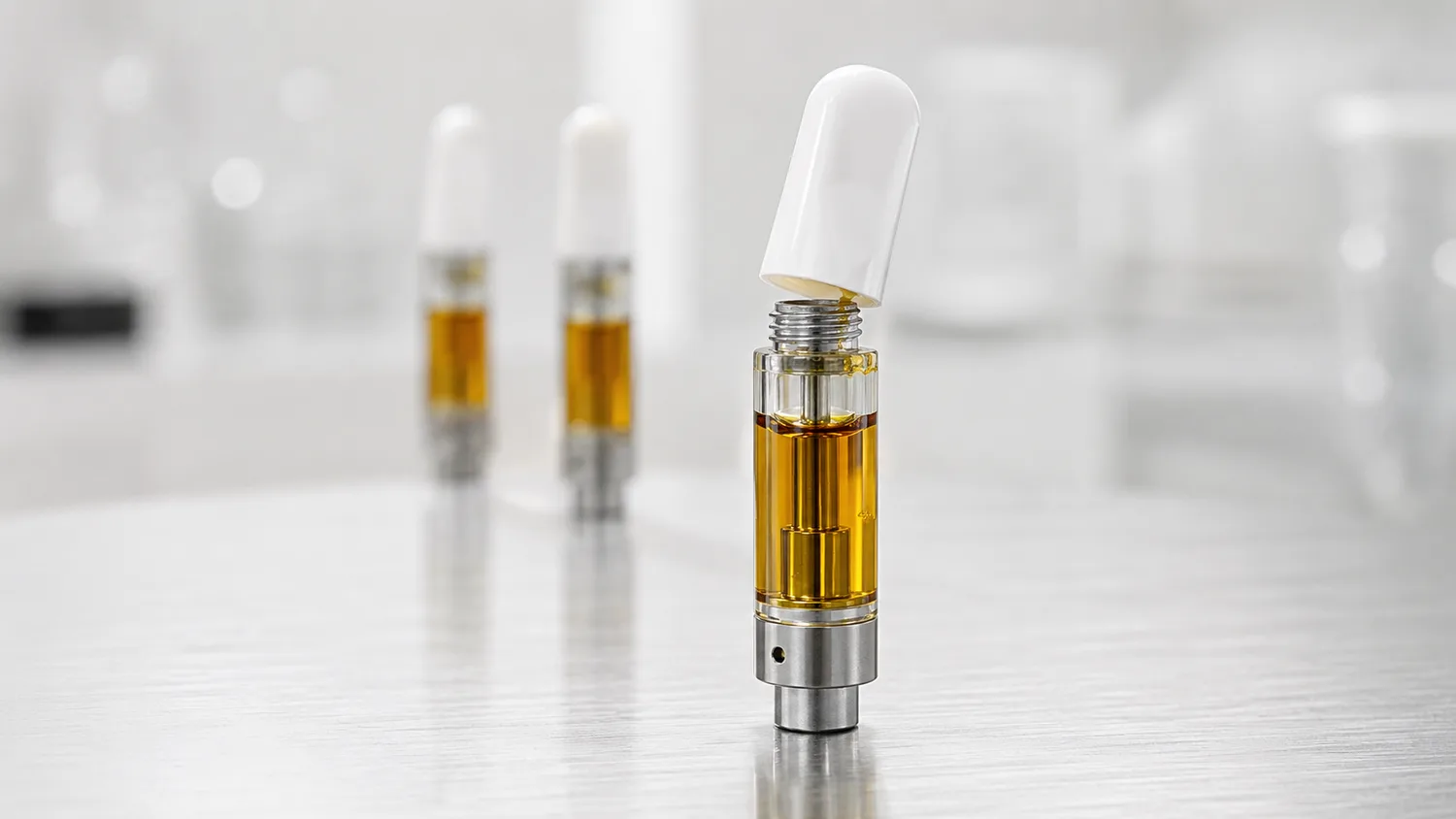
1. Capping torque drift
Capping heads use friction clutches or servo torque control. Both drift with use. A jaw that was set to 0.45 Nm three months ago can be applying 0.30 Nm today, and the difference is invisible without a torque gauge. Schedule a torque check every shift on high-volume lines.
2. Cap and cartridge thread mismatch
Cartridge moulds vary between suppliers, sometimes between batches from the same supplier. A 510-thread cartridge that measures 0.05 mm wider than spec will reject a stock cap, or worse, accept it and pretend to seal. Always qualify a new hardware batch before committing it to a production run — sample, gauge, and pull-test.
3. Fill temperature and viscosity
If the oil leaves the filler hot, it cools inside the cartridge and contracts, pulling air past a marginal seal. Filling at the right viscosity matters as much as the cap itself. The same logic applies if your blend is over-thinned: this is one of the reasons we recommend reviewing how to dilute your terpenes correctly before troubleshooting the capper.
See the capping equipment at Mr Terpeenes
Most capping faults trace back to tooling that never matched the cartridge. Browse the capping machines and see which formats each one is built to handle.
How to Diagnose Your Vape Cartridge Capping Machine in 30 Minutes
The fastest diagnostic is a structured walk-down of the line. The order matters: each step rules out a variable before the next is changed, which prevents the classic mistake of “fixing” three things at once and not knowing which one worked.
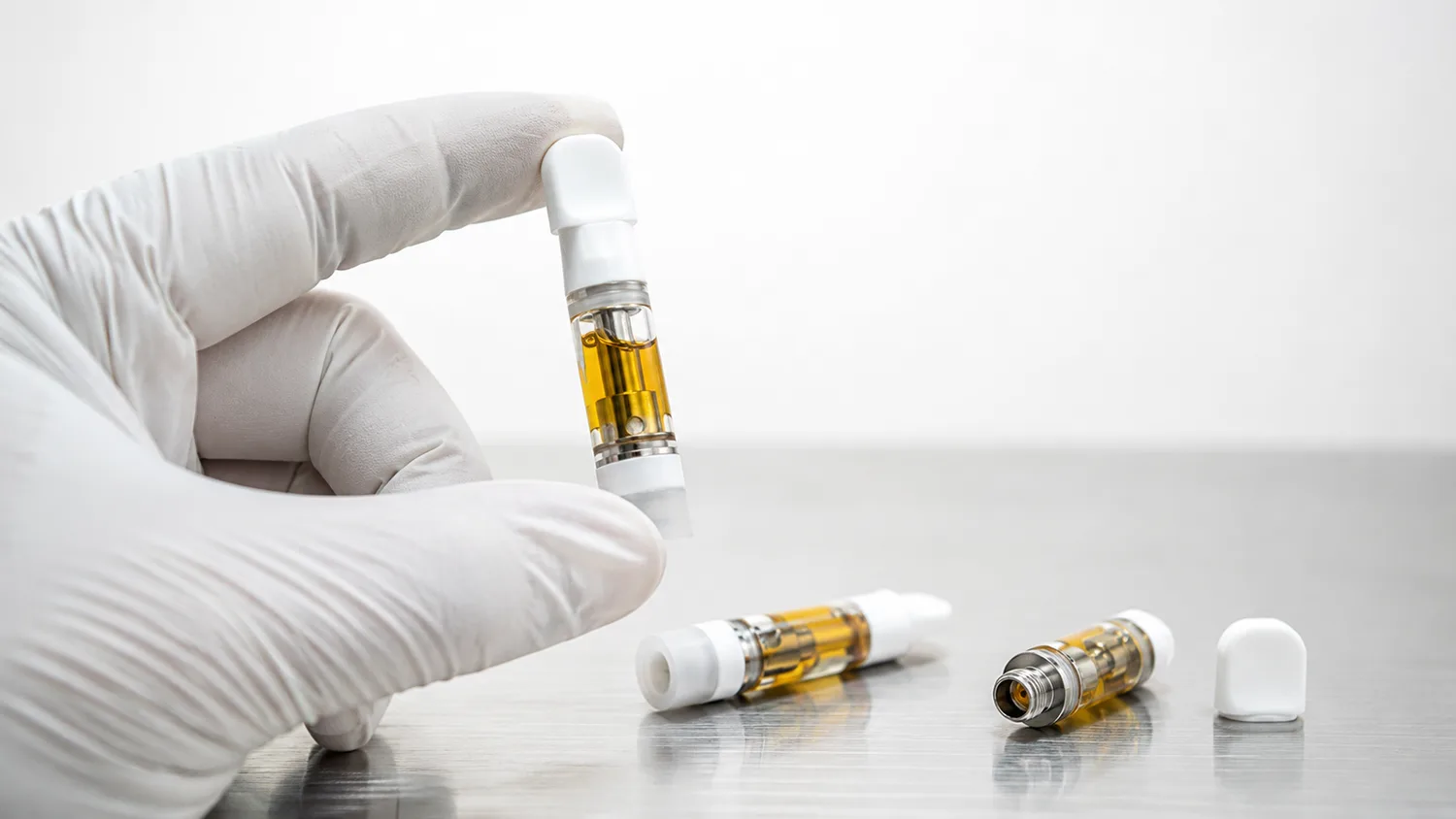
- Pull 20 capped units off the line. Inspect for visible oil bead at the cap-cartridge junction.
- Hand-test cap rotation. A cap that yields under thumb pressure is under-torqued; one that splits or strips is over-torqued.
- Measure torque on the next 20. A digital torque gauge gives a number; “feels tight” does not.
- Gauge the cartridge thread. Use a thread plug gauge on five raw cartridges from the current batch.
- Check fill temperature at the nozzle. Compare against the oil’s recommended fill window.
- Invert ten capped units for two minutes. Any seepage is a fail, not a maybe.
Preventive Maintenance Checklist
A short, repeatable checklist beats a long one nobody runs. The aim is to catch drift before it becomes scrap. Build the following into the line’s shift handover.
- Torque verification on every capping head, every shift.
- Visual inspection of capping jaws for wear, every shift.
- Cap and cartridge batch sample, every new lot.
- Fill nozzle temperature log, hourly.
- Inverted hold test on 10 finished units, every hour.
- Replace capping rubbers and friction clutches per manufacturer interval, not “when they break”.
When to Replace, When to Service, and When to Upgrade
Not every line problem is a capper problem. Before signing off a capital purchase, separate the failure modes. If torque drift returns within a week of service, the head is at end-of-life. If the same machine performs on one cartridge SKU but not another, the issue is upstream hardware, not the capper. Lines that consistently exceed their rated speed will fail prematurely regardless of which brand of capping head is fitted.
If you are evaluating whether to upgrade the entire fill-and-cap section, our breakdown of oil filling machines for terpenes, CBD and vape oils covers the trade-offs between manual, semi-automatic and fully automatic setups, and how the capping module sits within each. Our oil filling and capping machinery page sets out the semi-automatic and automatic options currently available.
Fix capping faults with Mr Terpeenes
Recurring leaks and crooked caps usually mean the machine and the cartridge disagree. Describe the fault and the format, and the right configuration can be identified.
Hardware, Oil and Packaging All Talk to Each Other
The capper is the last station that touches the product, which is why it gets blamed for failures that started further upstream. The cartridge body, the oil viscosity, the terpene profile and the outer packaging all feed into whether a finished unit arrives intact.
For that reason, fillers that solve their capping issues for good tend to look at the full chain at the same time. Choosing the right blend — see our guide to the best terpenes for vape cartridges and distillate — controls viscosity. Choosing the right outer box and tamper-evident sleeve — covered in our terpene packaging solutions guide — controls what happens to a borderline unit in transit. The capper is the visible failure point, but it is rarely the whole story.
What UK Producers Should Check on a Vape Cartridge Capping Machine Before Every Production Run
Before each shift, walk the line with a single question in mind: would this vape cartridge capping machine survive a torque audit, a cap pull-test and a 10-unit inverted hold? Producers running 510-thread carts under TPD or EU TPD2 conditions cannot afford a marginal seal — and the cheapest defence is a 10-minute pre-run check on the cap torque setting, the jaw wear pattern and the cap-batch lot number against the cartridge mould reference.
Check the fill temperature at the nozzle against the oil’s working viscosity window, sample five raw cartridges with a 510-thread plug gauge, and validate that the cap-to-cartridge fit is repeatable across the lot. Producers who treat vape cartridge capping machine maintenance as a daily ritual rather than a quarterly task see lower return rates, fewer courier damage claims and a stable scrap figure month on month — all of which feed directly into margin per 10,000 units.
If the line is being audited for compliance with UK vape regulations under the MHRA e-cigarette guidance, the same checks double as evidence of in-process quality control: torque logs, batch sample records and inverted hold-test results are exactly what auditors expect to find when they ask how cap integrity is verified at the point of manufacture.
FAQ
What is a vape cartridge capping machine?
It is the station on a vape filling line that seats and torques the cap onto a filled 510-thread cartridge, sealing the oil inside. It can be manual, semi-automatic or fully automatic.
Why do my vape cartridges leak after capping?
Leaks usually point to one of three things: under-torqued caps, a cap-to-cartridge thread mismatch, or oil filled too hot that contracts on cooling. Diagnose in that order before changing parts.
How often should I calibrate a vape cartridge capping machine?
Torque should be verified at the start of every shift on production lines. A full service interval depends on volume, but most manufacturers recommend a full inspection every 250,000 to 500,000 cycles.
Can the wrong terpene blend cause capping failures?
Yes. A blend that is too thin lowers viscosity and increases the chance of leaks past a borderline seal. Following recommended terpene-to-distillate ratios keeps viscosity in the working window.
Is a manual capper enough for a small brand?
For runs under a few hundred units per session it can be, provided the operator uses a torque gauge. Above that volume the consistency benefits of a semi-automatic capper usually pay back within months.