
Jack Herer Strain Terpene Profile: Aroma, Dominant Terpenes and Flavour

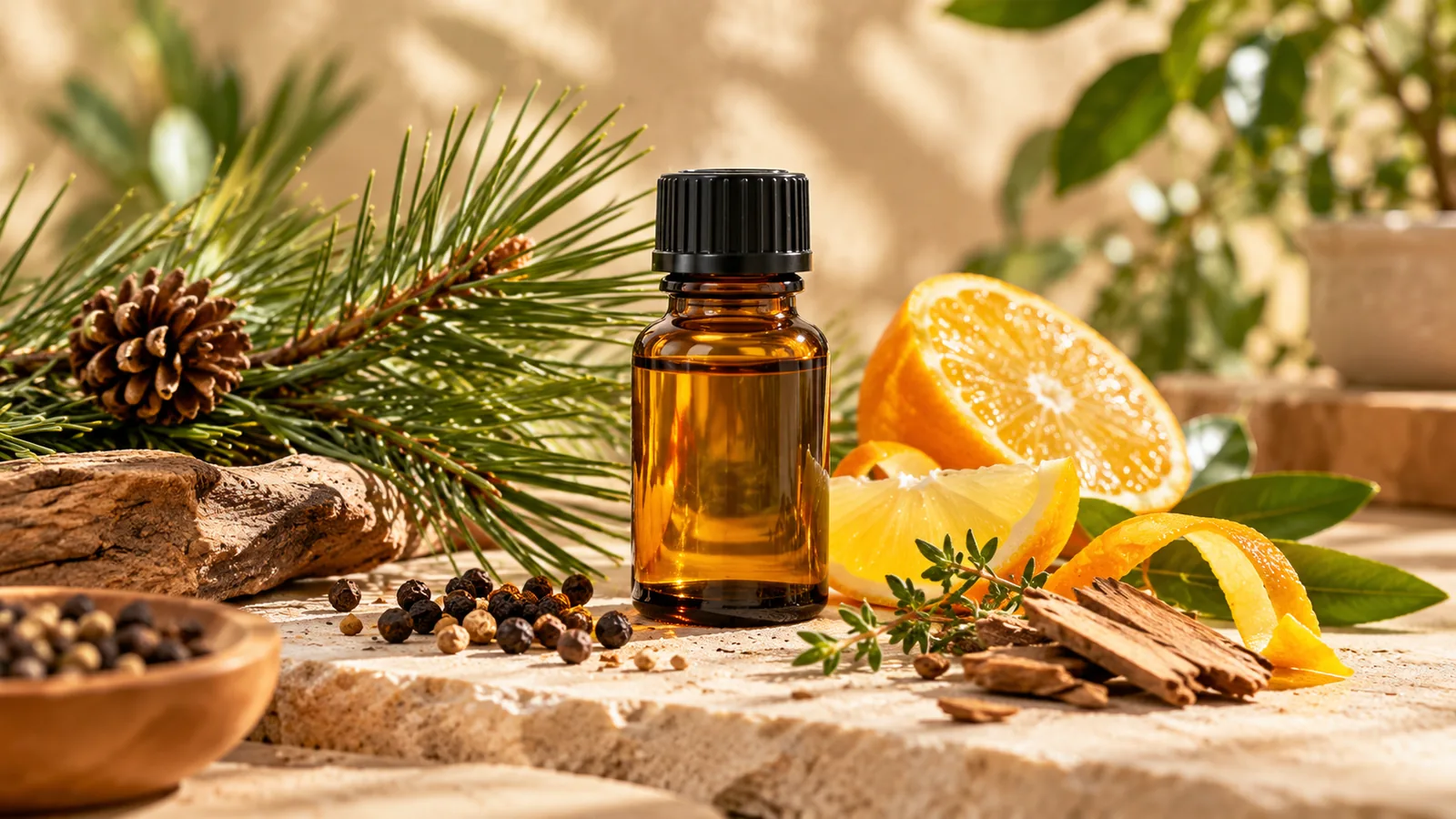
Jack Herer has been a fixture of seed catalogues since the 1990s, and its aroma is usually summed up as pine and citrus over something woody and peppery. Chemically, it is a terpinolene strain: the four published analyses that name the cultivar all put terpinolene at the top of its terpene list. This guide explains where that character comes from, what the research actually measured, and how close a terpene blend can get to it.
The Jack Herer strain and its pine and citrus character
Sensi Seeds launched Jack Herer in 1994 and named it after the hemp campaigner and author of The Emperor Wears No Clothes. On its Jack Herer Automatic page, the breeder lists Haze, Northern Lights #5 and Shiva Skunk in the strain’s background. Accounts of exactly how they were crossed vary, so we don’t print a formula here.
The breeder also describes several distinct phenotypes, which matters more than it might seem. Plants from the same seed line can lean in different aromatic directions. Sensi’s own description of the dried buds is earthier than most terpene write-ups: a sharp, savoury, hash-like tone with Afghan and fruity skunk notes, depending on the phenotype.
The Jack Herer most people recognise is brighter: fresh pine, a citrus edge and a dry, spicy, woody base. It is often sold as a sativa-leaning strain, but that label says more about tradition than chemistry, as our guide to the sativa terpene profile explains. What reliably sets Jack Herer apart is a single terpene.
Terpinolene and the other dominant terpenes in Jack Herer
Terpinolene is the compound most closely tied to Jack Herer. On its own it smells fresh, sweet and piney with a citrus edge: fragrance reference data list woody, pine and citrus among its notes. That goes a long way towards explaining why Jack Herer is called citrusy even though limonene, the classic citrus terpene, sits well down its list.
Around terpinolene, a handful of other compounds turn up again and again:
- β-Caryophyllene brings dry, woody spice with a clove-like warmth. It ranks second or third in the peer-reviewed analyses of Jack Herer. Our caryophyllene profile covers it in more depth.
- Pinene, in its alpha and beta forms, adds resinous, coniferous freshness that reinforces terpinolene’s pine. See our pinene guide.
- Ocimene contributes a sweet, green, herbal lift. Abstrax gives the trans form a prominent place in its own Jack Herer analysis (more on ocimene).
- Myrcene adds peppery, balsamic depth. Its role ranges from a supporting note to second place, depending on the sample.
Bear in mind that these descriptions apply to each compound in isolation. How strongly a terpene registers in the finished aroma depends on how readily the nose detects it and on what surrounds it, not simply on how much of it is present.

Browse pine and citrus profiles at Mr Terpeenes
Terpinolene-led profiles smell fresh, piney and bright, a different direction from sweet or gassy blends. Weigh the profiles we hold in the UK against each other by their stated aroma notes.
What the research on Jack Herer actually shows
All four published analyses that name Jack Herer find terpinolene to be its largest single terpene. They measured in different ways, though. Their figures tell you about each sample rather than about the strain as a whole.
The most robust is a 2017 analysis of nine Jack Herer samples from a Californian dispensary. Terpinolene averaged 8.3 mg per gram of flower, ahead of β-caryophyllene, humulene and trans-ocimene. The study grouped Jack Herer with Trainwreck as a terpinolene-dominant chemotype. Its authors also noted that the limonene peak overlaps with β-phellandrene, a minty, turpentine-like terpene that Abstrax reports in its own Jack Herer analysis. An Israeli analysis of a single Jack Herer sample found terpinolene made up about a fifth of its total terpenes, followed by myrcene, caryophyllene and α-pinene.
A 2024 Thai study adds an important nuance. Terpinolene was again the largest single compound in its Jack Herer sample. Taken together, however, the sesquiterpenes accounted for a larger share of the measured volatiles than terpinolene did. So “terpinolene-led” means terpinolene is the biggest individual peak, not that it outweighs the heavier sesquiterpenes as a group.
The fourth analysis comes from Abstrax, which reported terpinolene at 34% in one flower sample in its Signature Series white paper. That figure now circulates widely, sometimes as if it were typical of the strain. But Abstrax doesn’t define what the percentage is a share of, and it rests on a single sample, so it is one data point rather than a benchmark. Strain databases such as Leafly agree on the order, listing terpinolene, caryophyllene and pinene, without publishing figures.
See the Abstrax profiles stocked by Mr Terpeenes
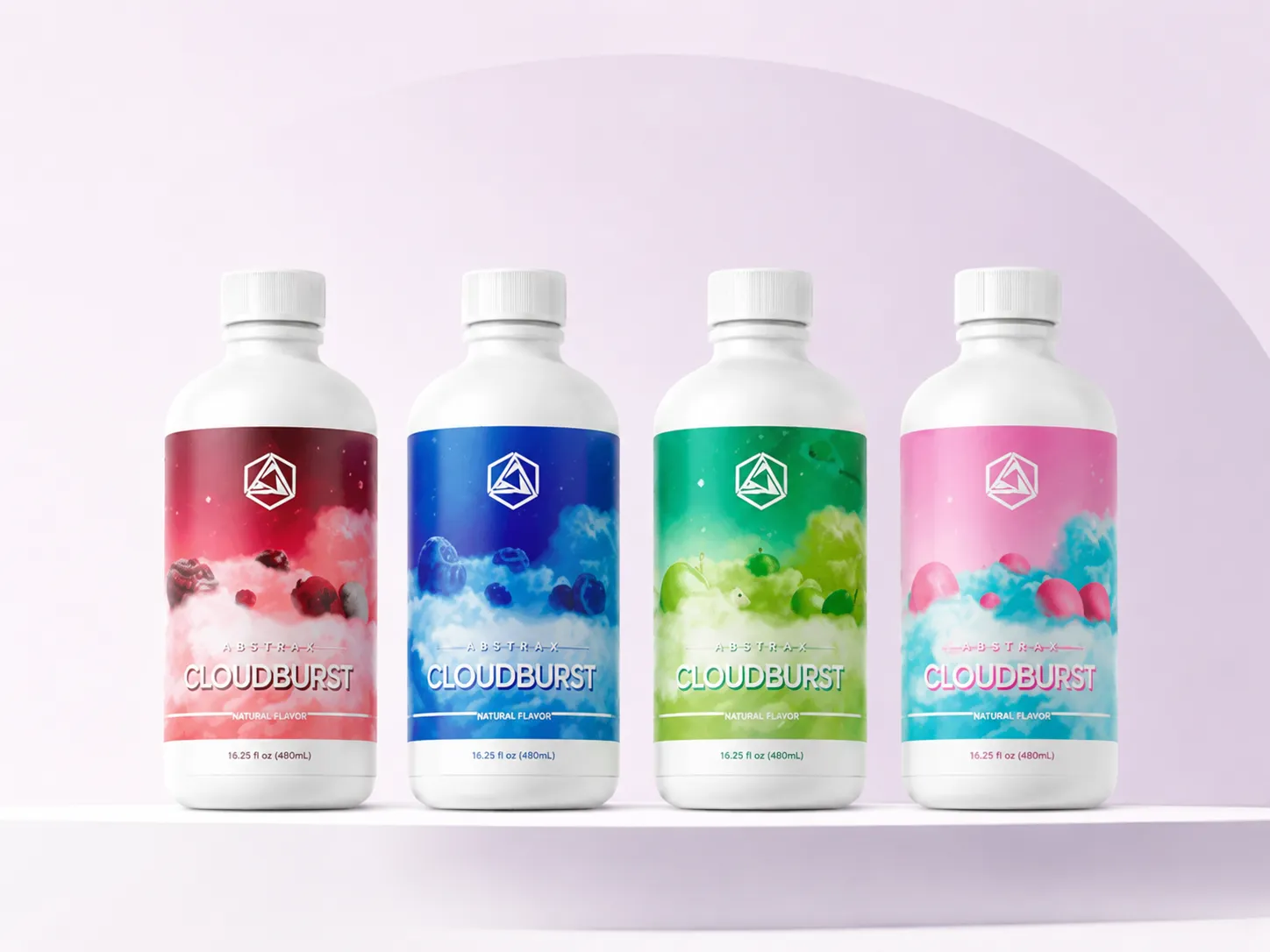
Compare the Cloudburst, Native and Signature series side by side and see which Abstrax profiles we currently list, before choosing one for your project.
Why the Jack Herer aroma varies from batch to batch
Even a well-documented strain is a moving target. Seed-grown plants are not clones, so phenotype alone shifts the balance. Growing conditions, harvest timing, drying and curing all play their part. Storage matters too: a 2024 storage study found that monoterpenes, the group terpinolene belongs to, degraded more readily over four months than sesquiterpenes such as β-caryophyllene. An older sample may simply not smell as bright as it did when freshly cured.
Names add another layer. A strain name is a label applied by a grower or shop, not a test result. A study of 2,662 Nevada samples found just three terpene chemotypes spread across 396 strain names. Laboratories also differ in which compounds they test for and how they express results. For any particular batch, its own certificate of analysis or data sheet is the reliable guide.
Jack Herer flower versus a Jack Herer terpene blend
A terpene blend and the flower it is modelled on are not the same thing, for three reasons.
First, the flower varies, as described above, so there is no single Jack Herer sample to copy. Second, a conventional terpene-only blend recreates the terpene pattern but leaves out everything else. Part of cannabis’s skunky character comes from trace sulfur compounds rather than terpenes. Research by Abstrax scientists found that these compounds peak during curing and drop after about a week in storage.
Third, some manufacturers now go further. Abstrax states that its Signature Series contains cannasulfur compounds to add that gassy, skunky dimension. Its white paper presents this as depending on whether the reference flower contains them, and no data on these compounds has been published for Jack Herer. Abstrax also compares its Signature blend with its analysed flower sample on four key terpenes, and the figures sit close together. That shows how closely the blend tracks Abstrax’s own reference sample. It does not show that the blend is chemically identical to Jack Herer flower in general: proving that would need comparable, batch-specific analyses of both.
Abstrax Signature Jack Herer: formats and documentation
For formulators who want Jack Herer’s terpinolene-led direction without cannabis flower, we stock Abstrax Signature Jack Herer. Abstrax says it developed the profile in collaboration with the Herer family. Mr Terpeenes is a distributor of Abstrax terpenes, and the profile is sold by weight in 5g, 20g and 50g bottles.
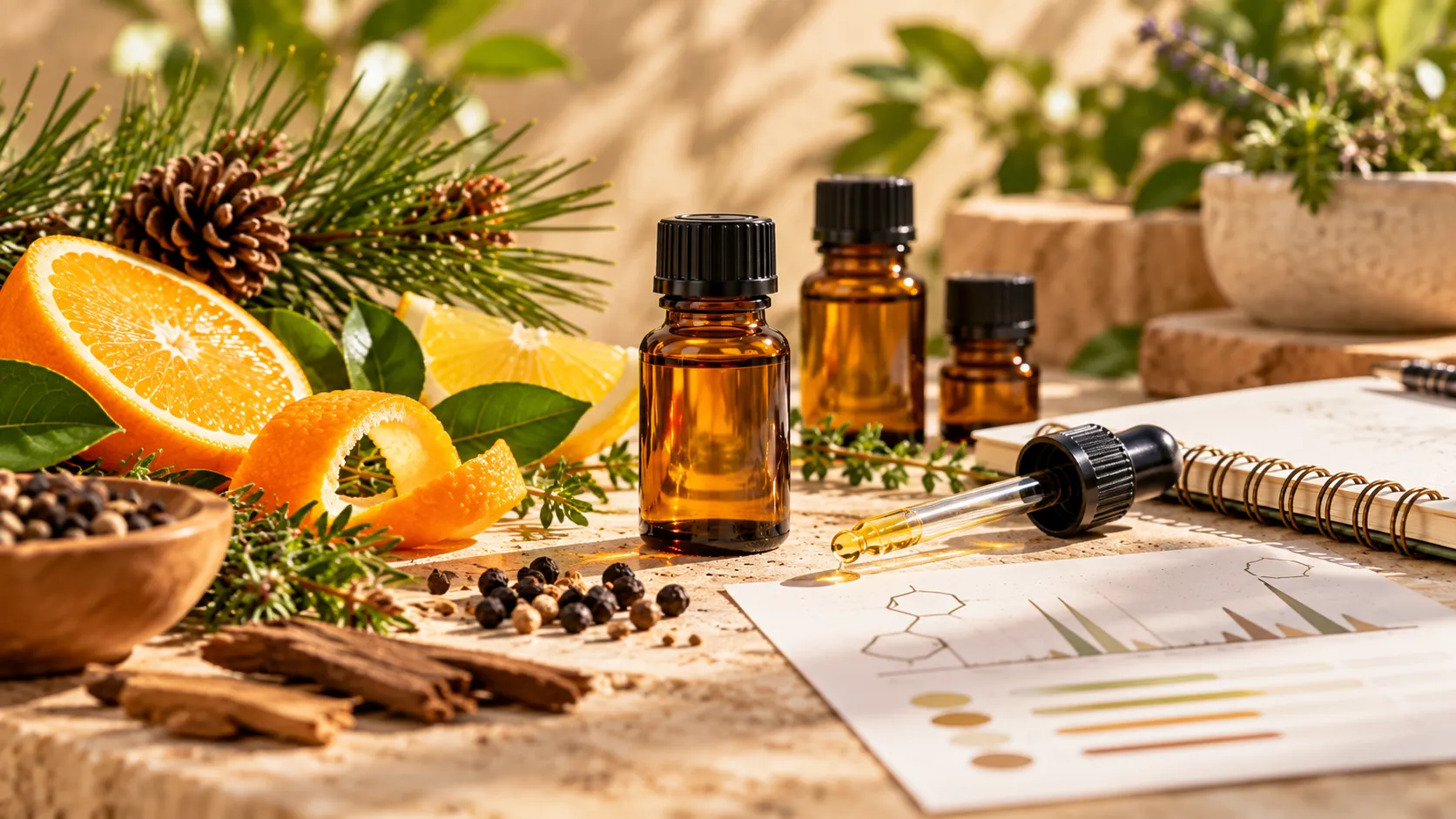
Abstrax lists terpinolene, β-myrcene and trans-β-ocimene as the dominant terpenes, without percentages, and states that its products contain no cannabinoids such as THC or CBD. The data sheets shown on the product page hold the storage and handling information for this specific product.
It is worth knowing that Abstrax describes the profile in slightly different ways across its documents. The white paper highlights four “key” terpenes, including d-limonene and β-phellandrene, while the product listing names three dominant ones. The published material doesn’t explain the difference, so the data sheet supplied with the product is the one to work from.
Abstrax doesn’t publish a usage rate on a basis we can confirm, so we don’t suggest one here. When you are planning a batch, our terpene calculator converts a chosen percentage into grams.
Frequently asked questions
Terpinolene. Four published analyses of Jack Herer flower each found it to be the largest single terpene: a nine-sample US study, single samples from Israel and Thailand, and Abstrax’s own flower analysis. The amount varies between samples and each study measured it differently, so there is no single typical percentage.
Most descriptions lead with pine and citrus over a woody, peppery base. Terpinolene smells piney and citrusy on its own, so it is a likely contributor, although how strongly any compound comes through depends on more than how much of it is present. The breeder’s description is earthier, with hashish and skunky notes, and individual batches vary.
The analyses most often name β-caryophyllene and myrcene next, along with ocimene, humulene, pinene, limonene and β-phellandrene. Their order changes from sample to sample, and one Thai sample also contained large amounts of less familiar sesquiterpenes. Strain websites rarely say where their lists come from, so treat them as a rough guide.
No blend has been shown to be identical to the flower. A terpene-only blend recreates the main terpene pattern but leaves out non-terpene compounds, such as the sulfur compounds behind skunky notes. Abstrax states that its Signature Series also contains cannasulfur compounds. Showing a full match would need comparable, batch-specific analyses of both the product and the flower, and the flower itself varies from batch to batch.
It depends on the product, so check its own documents. For the Abstrax Signature Jack Herer profile we stock, Abstrax states that its products contain no cannabinoids such as THC or CBD. Do not assume the same of other products sold under a Jack Herer or “Jack” name.
In the 2017 Californian study, Jack Herer shared its terpinolene-dominant group with Trainwreck. A 2022 analysis of US commercial data assigned 85.9% of the products labelled Dutch Treat to its high-terpinolene cluster. Individual batches can still differ, so a batch’s own lab report is the better guide.