
Best Terpenes for Vape Cartridges What to Mix With Distillate, How Much to Add & How to Avoid Clogging


Want Better Flavor, Stronger Effects & Zero Clogs? Start With The Right Terpenes
If your vape carts taste flat, hit harsh, or clog every other day, the problem probably isn’t your distillate—it’s your terpenes. Choosing the best terpenes for vape cartridges instantly improves flavor, smoothness, potency, and hardware performance.
Here’s the short answer up front:
The best terpenes for vape cartridges are ultra-refined, viscosity-balanced blends made specifically for distillate, usually strain-specific botanicals or live-resin style steam-distilled extracts.
The ideal terpene percentage for vape oil is 4–8%, depending on hardware, distillate thickness, and desired flavor intensity.
To avoid clogs, use low-viscosity terpenes, avoid sugary flavorings, and stay away from cheap food-grade additives.
This guide explains everything you need—from expert mixing ratios to real-world examples—so you can confidently build smooth, flavorful carts that actually perform.
Why Terpenes Matter in Vape Carts
Many people think terpenes are “just flavors,” but they affect nearly everything:
• Taste
• Smoothness and throat feel
• Vapor production
• Hardware performance
• How thick or runny your oil is
• How the effects feel
After years of testing, you quickly learn that 1–2% difference in terpene load can make a cartridge either perfect or completely unusable.
When users say “my carts always clog,” nine times out of ten the issue is either:
✔ too much terpene
✔ the wrong type of terpene
✔ flavorings that crystallize
✔ poor hardware wicking
✔ distillate that’s too thick
This article fixes all of that.
Best Terpenes for Vape Cartridges (Top Picks)
Below are the best terpene categories for mixing with distillate, including why they work well and who they’re ideal for.
See cartridge terpenes at Mr Terpeenes
Cartridge performance depends on the profile as much as the hardware. Browse the terpenes stocked for vape work before settling on a blend.
1. Strain-Specific Botanical Terpenes (Best Overall Choice)
These are the most popular choice for vape makers because they deliver clean flavor, low viscosity, and consistent results.
Why They’re the Best
- Naturally low viscosity → fewer clogs
- Very strong aroma → great flavor at low percentages (4–6%)
- More repeatable than live resin terpenes
- Affordable enough for large batch production
Best Use Cases
- Everyday cartridges
- Large-scale production
- Smooth flavor + reliable hardware performance
Common Favorites
- Gelato
- Sour Diesel
- Pineapple Express
- OG Kush
- Zkittlez
Real-World Note
Most brands selling “live resin carts” are actually mixing botanical terpenes with live-resin extracts for aroma enhancement. They do it because botanicals help thin the oil without affecting the true profile.
2. Live Resin / Live Terpene Extracts (Best Flavor Experience)
If you want the closest thing to smoking flower, live-resin terpenes win.
Why They’re Amazing
- Preserved plant aromatics
- More complex flavor (not just “sweet” or “gassy”)
- Add entourage-style depth
Downsides
- Higher viscosity → may require blended botanicals
- More expensive
- Stronger flavor, sometimes too earthy for beginners
Best For
- Connoisseur carts
- Solventless or rosin carts
- High-end premium vape lines
Experience Tip
Live terps hit harsher if you add too much. Most extractors use 2–4% max.
3. Ultra-Refined Terpene Blends (Best for Preventing Clogs)
These blends are specifically engineered to solve hardware issues like slow wicking or thick oil.
Why They Work
- Designed to flow smoothly even in cold environments
- No sugars, esters, or heavy flavor oils
- Prevent distillate from crystallizing
- Perfect for ceramic coil carts
Best For
- THCA, HHCP, and other thick cannabinoids
- Users who want ZERO clogging
- High viscosity winterized distillate
Note From Practical Experience
THCA carts, in particular, need lower terpene percentages and specialty blends to stay stable.
Supply your vape production with Mr Terpeenes
Cartridge runs consume terpenes predictably once volume settles. Discuss bulk quantities and repeat orders so production never pauses for stock.
4. Fruity Terpene + Blend Flavors (Best for Beginners)
People new to vaping often prefer fruit profiles over cannabis profiles.
Why They’re Popular
- Easy flavor recognition
- Smooth inhalation
- Less “earthy” taste
Only Use High-Quality Sources
Cheap fruity flavors often contain:
✖ sugar derivatives
✖ esters that crystallize
✖ heavy molecules that clog
Only buy specially formulated vape-safe terpene blends, and check the quality documentation before you commit to a batch.
Terpenes That Don’t Clog Vape Carts
This is one of the biggest search questions—and the answer matters for cart performance.
The Best Anti-Clogging Terpenes
- Light monoterpenes (limonene, pinene, terpinolene)
- Steam-distilled botanicals
- Ultra-refined low-viscosity blends
- High purity cannabis-derived terps
Terpenes That Cause Clogging
Avoid:
- Heavy sesquiterpenes (β-caryophyllene, humulene) in high amounts
- Fruity flavor esters
- Anything with sugar, sweeteners, or artificial thick aromas
- Food-grade flavor oils
Hardware Matters Too
Even the best terp mix will clog if paired with:
- A too-tight airflow cart — cartridge hardware is as much a variable as the blend
- Thick distillate in a low-power battery
- Old-style cotton-wick carts
The best combo is:
<7% terpene → ceramic coil → 2.8–3.2v battery → room temperature storage.
How Much Terpene to Add to Vape Oil (Exact Ratios)
General Rule of Thumb
- 4–8% for botanicals
- 2–4% for live resin terpenes
- 6–10% for fruit blends (if designed for vapes)
Example Measurements
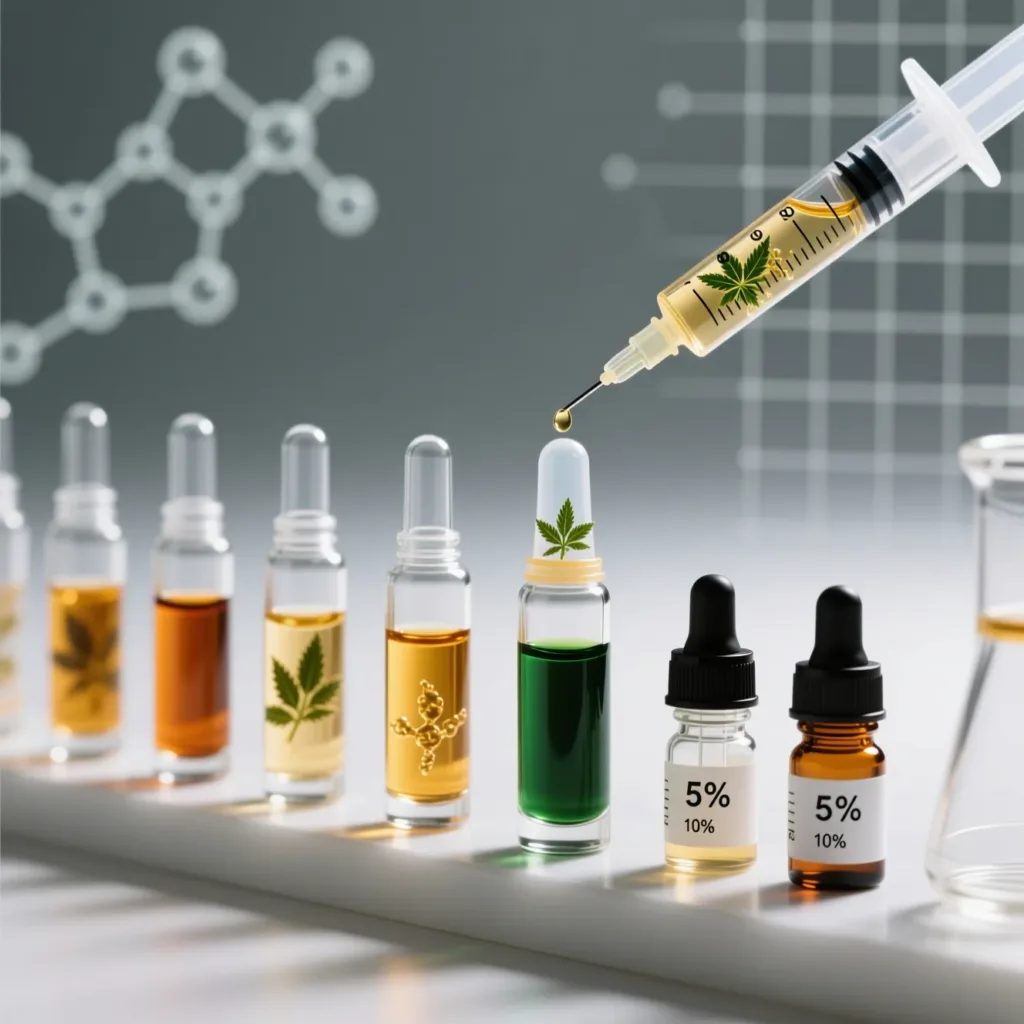
If you’re mixing 10 grams of distillate:
| Target % | Total Terpenes |
|---|---|
| 2% | 0.2 g (0.2 ml) |
| 4% | 0.4 g (0.4 ml) |
| 5% | 0.5 g |
| 8% | 0.8 g |
| 10% | 1 g |
Pro-Tip From Real-Life Lab Work
Always start with 2–3%, test the hit and flavor, then increase in 1% increments until you hit the sweet spot.
Adding too much terpene can cause:
- Harshness
- Thin oil
- Leaking
- Clogging
- Headaches (common with excessive limonene)
Best Terpene Ratios for Different Effects
Want uplifting? Relaxing? Euphoric?
Here’s how to choose based on common terpene categories:
Uplifting / Daytime
- Limonene
- Pinene
- Linalool (small amounts)
- Terpinolene
Flavor Examples:
• Lemon Haze
• Pineapple Express
• Durban Poison
Relaxing / Evening
- Myrcene
- Caryophyllene
- Humulene
- Nerolidol
Flavor Examples:
• Granddaddy Purple
• OG Kush
• Biscotti
Balanced Anytime Use
- Gelato
- Sunset Sherbet
- Zkittlez
These mixes hit smooth, taste great, and don’t overwhelm new users.
How to Mix Terpenes With Distillate (Step-by-Step)
1. Warm the Distillate
Place your jar in a 50–60°C warm bath.
Never exceed 65°C—it degrades cannabinoids.
2. Add Terpenes Slowly
Use a precision syringe to add the exact amount.
3. Stir or Hand-Whip
Avoid shaking—creates bubbles.
4. Test the Viscosity
The oil should flow, not drip.
5. Fill Carts While Warm
Warm oil fills more evenly and prevents air pockets — the same reason cartridge filling machinery is run with a heated reservoir.
6. Let Them Cure
Let cartridges sit upright 12–24 hours before using.
Best Terpene Brands for Vape Cartridges (UK & US)
These brands consistently perform well and are known for clean, vape-safe, clog-resistant formulations.
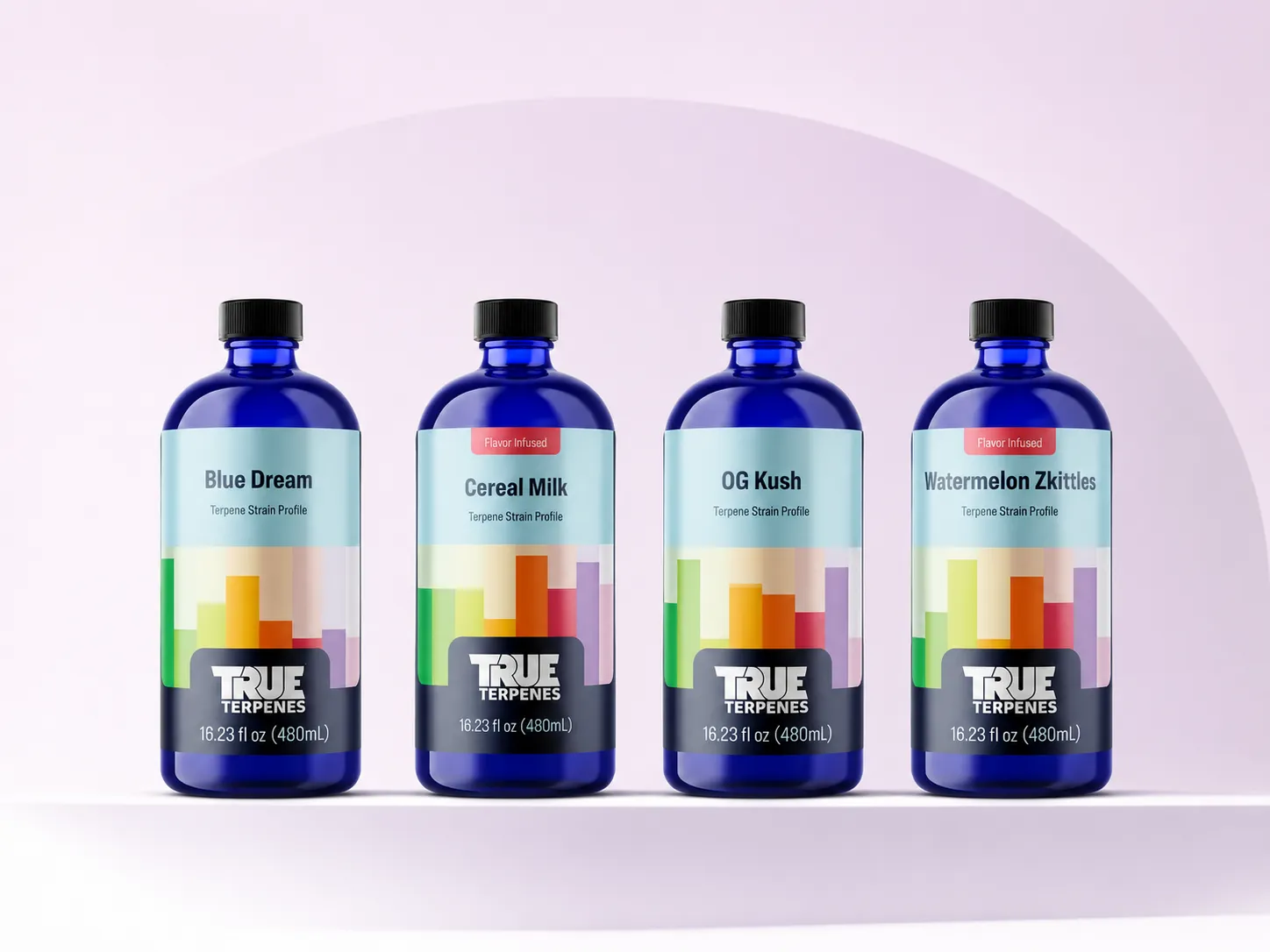
True Terpenes
Ultra-refined, strain-specific, extremely consistent — the True Terpenes range is a safe default for smooth carts.
CaliTerpenes
EU-regulated, lab-tested, excellent fruit mixes.
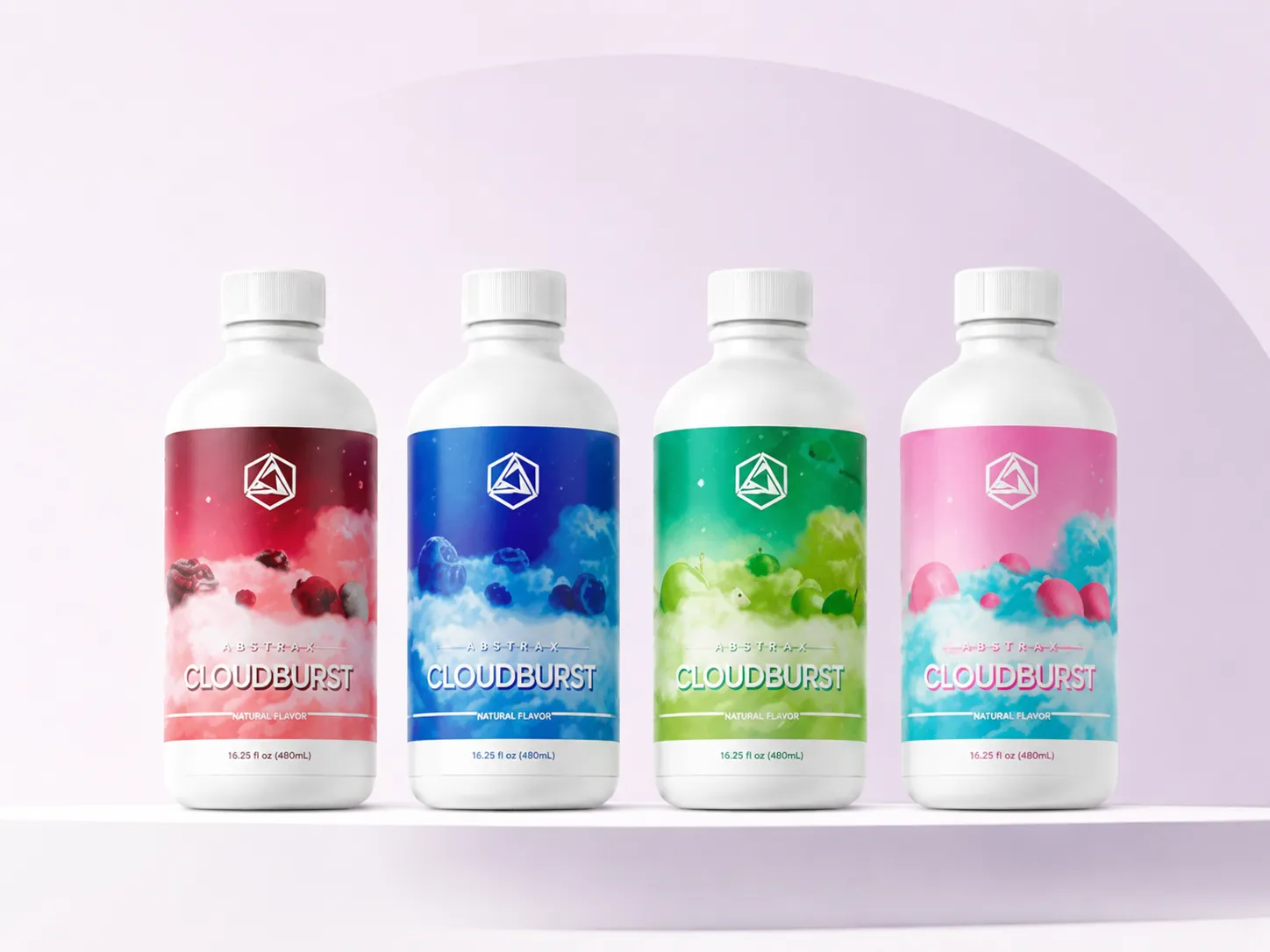
Floraplex / Abstrax
Very strong flavors, great balancing blends — see the stocked Abstrax profiles.
Denver Terpenes
Affordable bulk options for larger distillate batches.
Real cannabis-derived terpenes (from licensed labs)
Best aroma, but usually more expensive and stronger.
Build Better Carts With High-Quality Terpenes
The best terpenes for vape cartridges are the ones designed specifically for vaporization: clean, low-viscosity, strain-accurate, and batch-tested.