
Why Does Corona beers Smell Like Weed? and the Top Things That Smell Like Weed


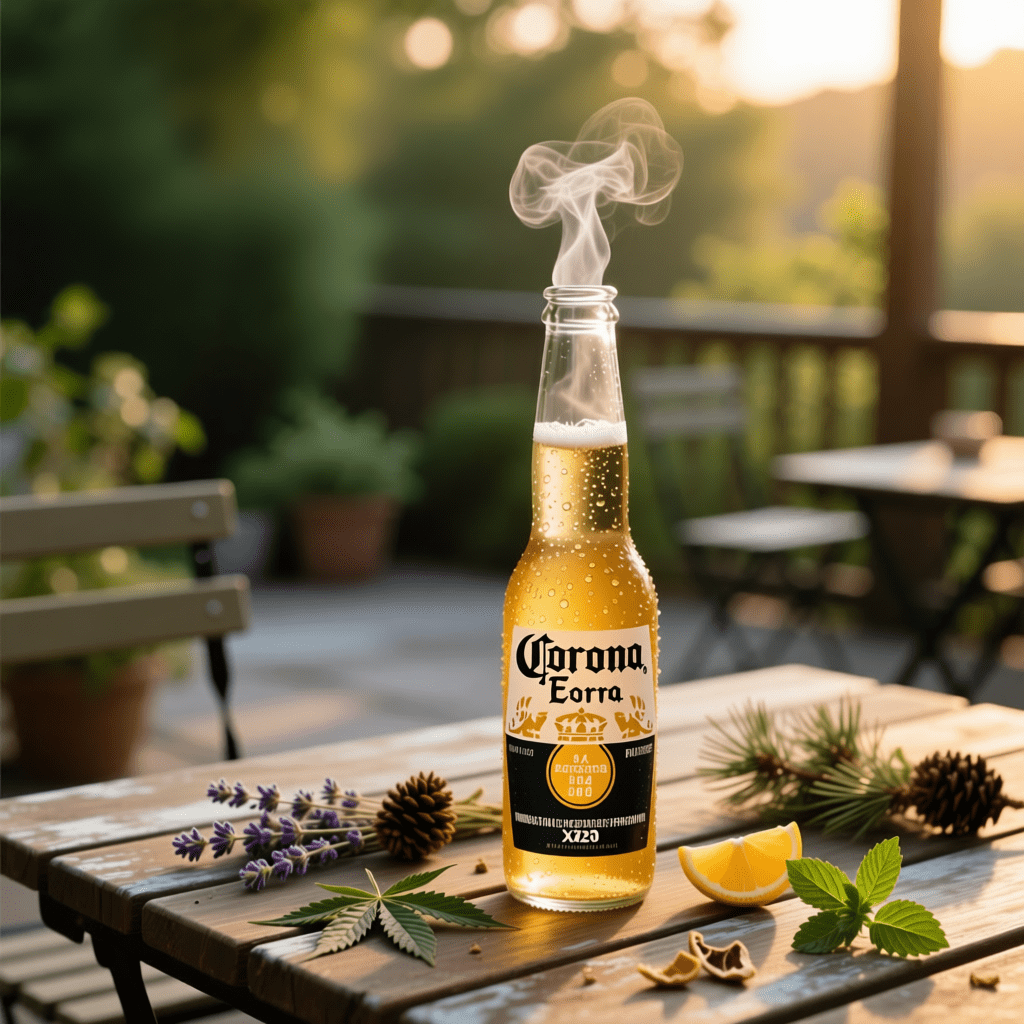
Corona and some other bottled beers can smell like cannabis because light + hops make skunky, sulfurous thiols — the same family of volatile molecules that give some cannabis strains their “skunk” or “skunky” aroma. Also, many everyday plants (and products) share terpenes with cannabis, so your nose can be fooled.
The chemistry in one line (so you can tell your mates)
When hops in beer are exposed to light, a photochemical reaction turns hop compounds into volatile sulfur compounds (thiols/mercaptans) — such as 3-methyl-2-butene-1-thiol — which smell skunky and are chemically similar to odorants found in some cannabis and skunk spray. Clear or green bottles don’t block the UV light that triggers this; brown bottles do.
Why Corona specifically?
Corona is a pale lager that’s commonly sold in clear glass bottles (and sometimes green). Clear glass lets more UV and visible light through than brown glass, so photodegradation of hop compounds is more likely during storage or on the shelf. The result: that skunky/weed-like off-aroma many people notice — often masked with a lime wedge in commercial serving.
See the terpenes responsible at Mr Terpeenes
The aroma described here comes from terpenes you can buy directly. Browse the range stocked in the UK and smell the components yourself.
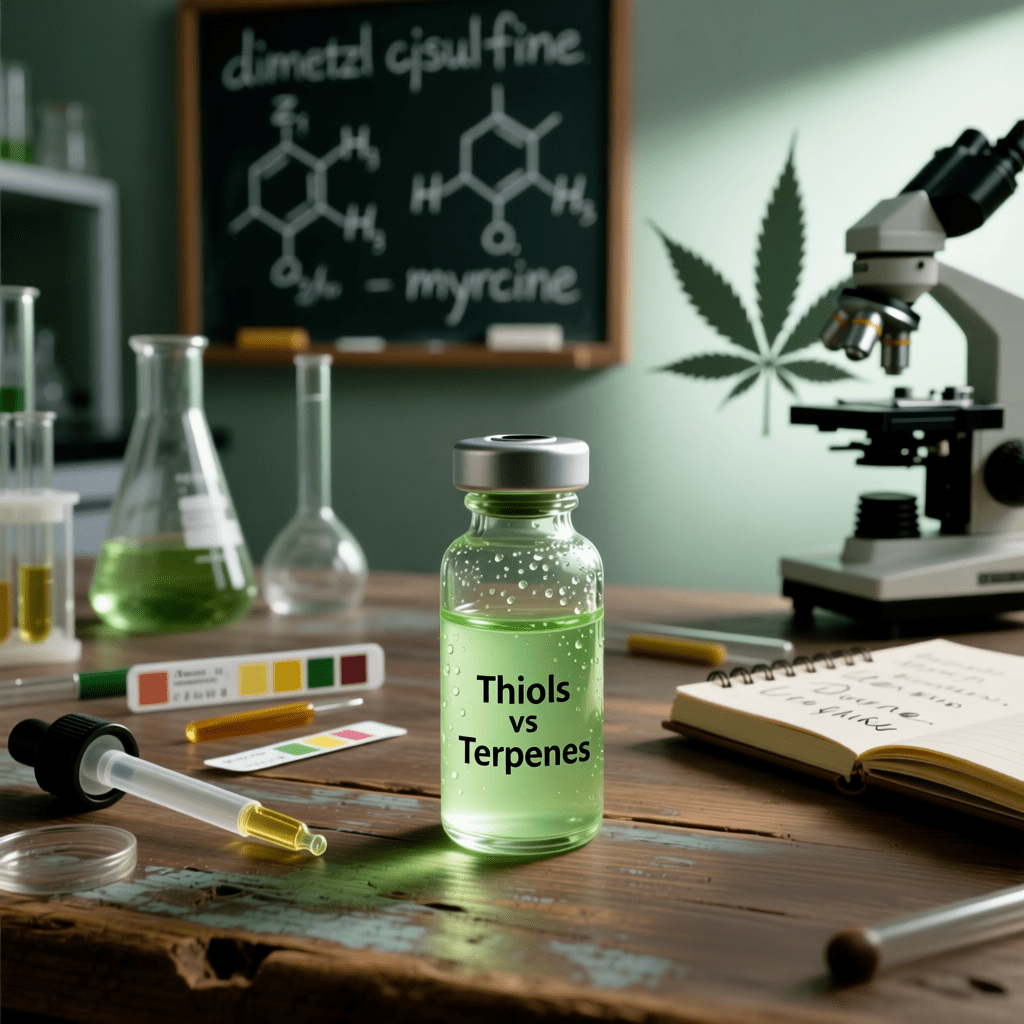
What exactly smells “like weed”? — thiols vs terpenes
People often say “weed smells like X,” but there are two different chemical truth-tellers:
- Thiols / mercaptans (sulfur compounds) — responsible for the skunky note in both skunk spray and some cannabis chemovars; the beer-in-sun problem produces these. Scientists recently identified a thiol called 3-methyl-2-butene-1-thiol (321MBT) as a major contributor to cannabis’ skunk aroma.
- Terpenes — aromatic hydrocarbons (myrcene, limonene, pinene, linalool, etc.) produce citrus, pine, floral and herb notes. These are abundant in cannabis but also in many other plants (hops, citrus peel, rosemary, basil), so they can create weed-like impressions without being the same chemical as the skunk thiol.
So: sometimes beer smells like weed because of thiols, and sometimes other things smell like weed because they share terpenes.
Top things that smell like weed (and why)
Below are common items that people say “smell like weed” — plus the chemistry that explains the similarity.
- Hops / Beer (especially in clear or green bottles)
- Why: Hops and cannabis are botanically related and share aromatic compounds (and hops produce thiols when light-struck). Brown bottles block the UV that causes the skunky off-flavor.
- Thai basil and other aromatic basils
- Why: Some basil varieties contain terpenes like myrcene and ocimene that overlap with cannabis aromatic profiles. Crushing the leaf releases those terpenes and can smell unexpectedly “green” or herbal.
- Hops-flavoured snacks / hop extracts
- Why: Hop extracts and products using hop oils carry terpenes and can have a floral/earthy scent strongly reminiscent of cannabis.
- Rosemary, sage, and thyme
- Why: These herbs are terpene-rich (pinene, limonene, terpinolene), and when heated or crushed the aroma can mimic certain cannabis notes.
- Skunk spray or animal scents
- Why: Skunk spray contains sulfurous thiols — chemically close to the thiols found in skunky cannabis chemovars. That’s why skunk, some cannabis, and “skunky” beers can smell eerily similar.
- Certain perfumes / incense / “cannabis” fragrances
- Why: Niche perfumers sometimes deliberately use cannabis-like accords (synthetic thiols or terpene-rich essential oils). The smell can be intentionally evocative of weed.
- Some fruits and peels (citrus, mango)
- Why: Terpenes such as limonene and myrcene are also abundant in citrus peels and mangoes — the overlap in aroma chemistry leads to similar sweet/fruit notes.
- Certain cleaning products or air fresheners
- Why: These often use terpene-like synthetic fragrances (or real essential oils) that can trigger a cannabis association in people’s minds.
Use these aromas commercially with Mr Terpeenes
Aromatic curiosities become products once supply is sorted. Discuss bulk quantities and lead times for the profiles behind these familiar notes.
Practical tips — avoid or embrace the scent
If you want to avoid beer smelling like weed:
- Choose brown-bottled beers (brown glass blocks the UV wavelengths that make thiols).
- Store bottled beer in boxes or dark places, and keep it cool. Light exposure and heat accelerate the reaction.
If you want to recreate a weed-like aroma legally (for marketing, perfumes, or CBD products):
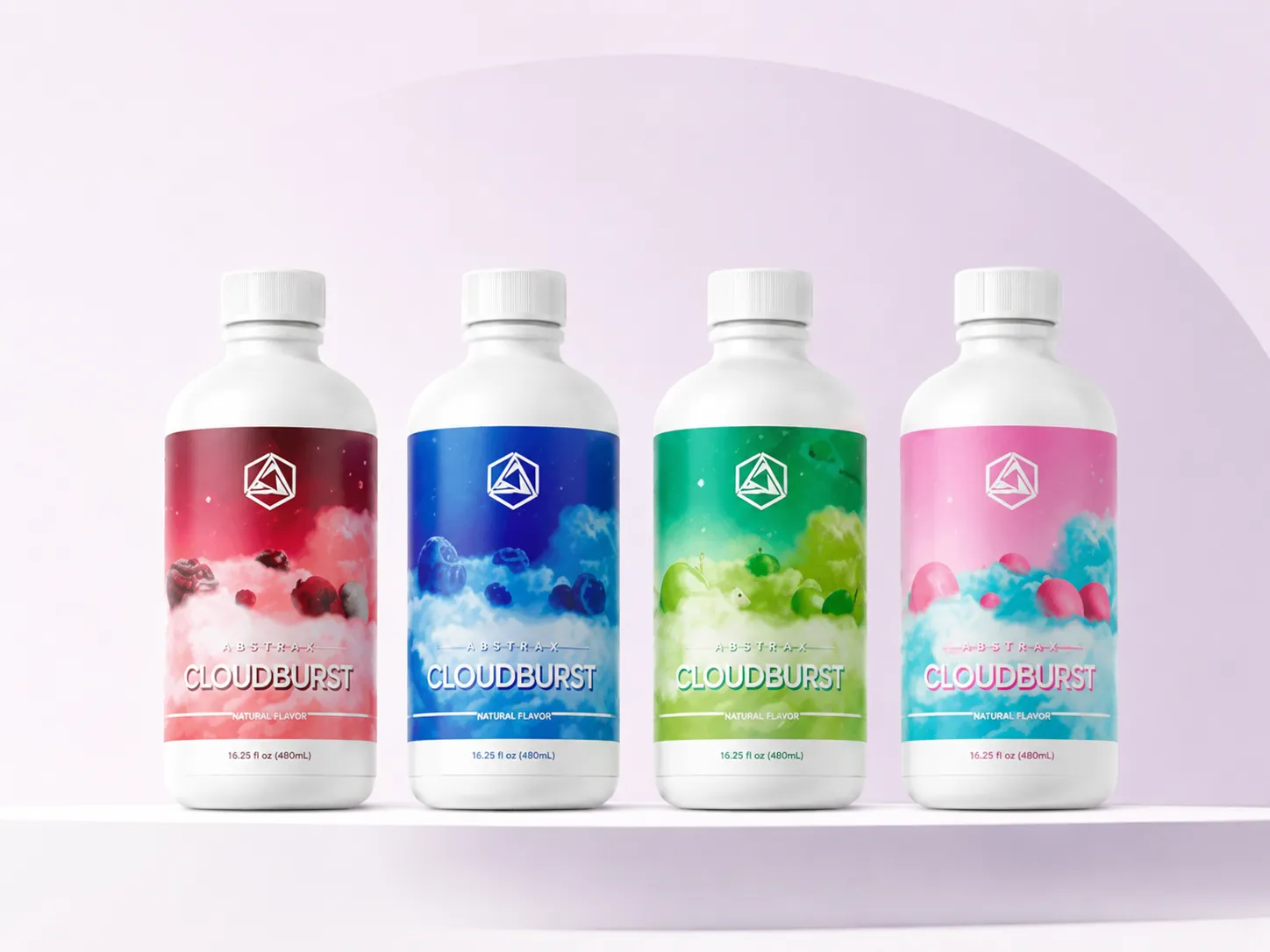
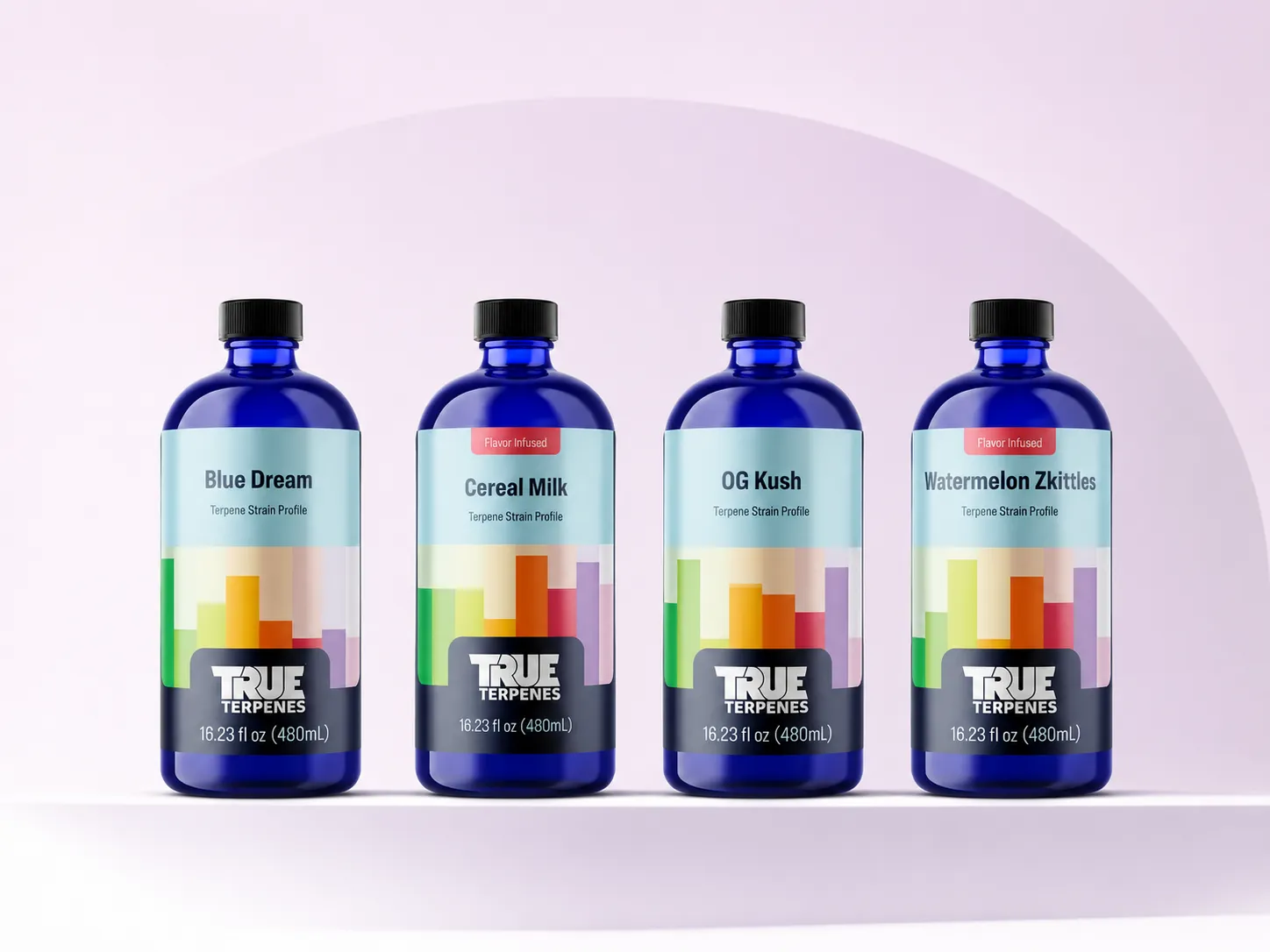
- Use traceable terpene blends from reputable suppliers (Abstrax, True Terpenes) — they reproduce strain profiles without THC. Ask for GC-MS/COA data.
What the science says
- Photochemical production of skunky thiols from light-exposed hops is a well-established explanation for skunky beer, and brown glass blocks the harmful wavelengths.
- Recent analytical work has identified thiols such as 321MBT as major contributors to cannabis’ skunk aroma, linking cannabis and skunk/beer scents chemically.
- Terpenes are shared across many plant families, explaining why herbs, fruits, and hops can smell like cannabis even without thiols. Health Canada and terpene reviews back this overlap.
Quick myth-busting
- Myth: “If something smells like weed it is contaminated with cannabis.” → False. Similar smell often comes from shared terpenes or thiols produced by non-cannabis chemistry (e.g., skunked beer).
- Myth: “All cannabis smells skunky.” → False. Cannabis has a broad aromatic range (citrus, floral, diesel, pine); only some chemovars produce skunk/thiol notes.
If your Corona smells like weed, it’s almost always not cannabis — it’s science: UV light hitting hops makes skunky thiols. If you like that skunky/weedy aroma and want to recreate it legally (for product flavouring, aromatherapy, or marketing), consider buying lab-tested terpene blends from reputable suppliers like Abstrax or True Terpenes — they reproduce strain profiles without cannabinoids. If you hate it, pick beers in brown bottles and store them dark and cool.